

How to Butcher a Quail Humanely and Efficiently
Learn to Process Quail with Confidence
Whether you're raising quail for your family's freezer or simply want to understand how experienced breeders evaluate meat quality, this video walks through my complete processing routine while explaining what I'm looking for every step of the way.
⚠️ Graphic Content Warning
This page contains an unedited demonstration of processing a quail for meat. Viewer discretion is advised. If you're uncomfortable watching poultry processing, you may wish to skip this page.
Quick Look
Complete processing demonstration
Real-time commentary
What I look for in a quality meat bird
Breast development and carcass evaluation
Tips from years of raising Jumbo Coturnix
No unnecessary editing or sensationalism
Every bird deserves respect. This demonstration is intended to educate and help poultry keepers process quail as efficiently and humanely as possible. If you're raising animals for food, understanding proper processing techniques is an important part of responsible animal husbandry.
Why I Created This Video
One of the biggest questions I receive is, "What should I look for when selecting a meat bird?"
Rather than simply showing the finished carcass, I wanted to walk through the entire process and explain exactly what I'm evaluating along the way. My goal isn't just to demonstrate how to process a quail—it's to help you understand why certain traits matter when breeding or raising birds for the table.
This video is intentionally unedited. You'll see the process exactly as it happens on my farm, along with the reasoning behind each step and the characteristics I look for in my Jumbo White breeding program.
Best Sellers
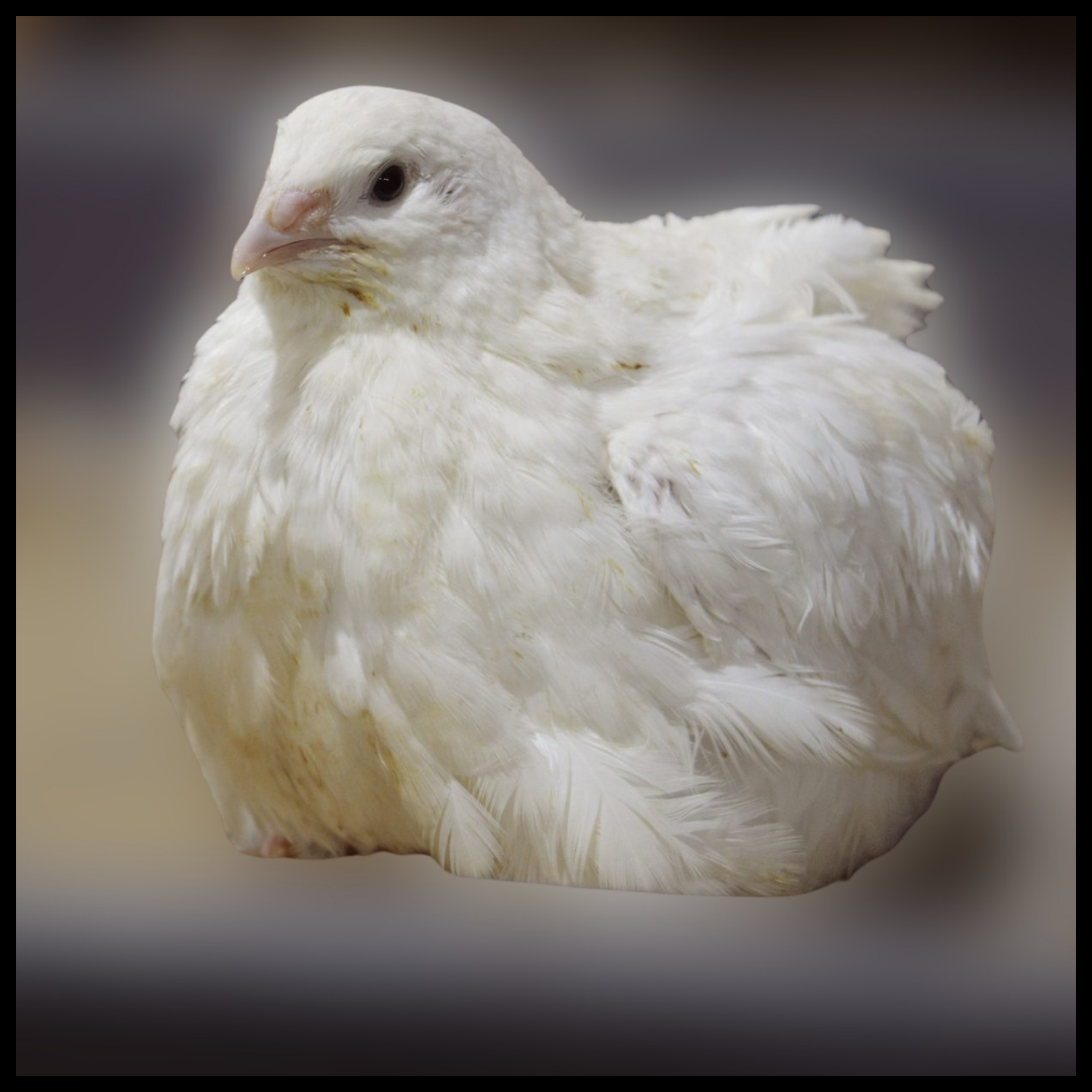
Quick Look
Jumbo White Coturnix selected primarily for meat production
Hatches may produce English White, heterozygous Pearl, or homozygous Pearl offspring
Hens typically mature between 15–20 ounces
Males typically mature between 14–18 ounces
Selected for large body size, calm temperament, and fertility
Produces large, speckled eggs
Professionally packaged using EggFoam™
NPIP Certified flock
Includes our Guide to Incubating Coturnix Quail
Product Description
If your goal is producing large Coturnix quail, our Jumbo White line was developed with size as the priority. These birds have been selectively bred for heavy body weights, calm temperaments, fertility, and large eggs while maintaining excellent hatchability.
Unlike color-focused breeding programs, our emphasis is performance. Depending on the genetics inherited, chicks may hatch as English White, heterozygous Pearl, or homozygous Pearl, giving each hatch a little variety while maintaining the jumbo traits our breeding program is known for.
Because of their impressive size, these birds are best suited for meat production, dual-purpose flocks, or breeders looking to improve body size in their own lines.
Around the farm, we call these our Quailzillas for one simple reason—they're big. Selected for exceptional body size, these jumbo white Coturnix commonly reach 15–20 ounces for hens and 14–18 ounces for males under proper management. While they lay large eggs, this line was developed primarily for those wanting an impressive meat bird.
What to Expect
Jumbo Whites are the largest Coturnix we raise.
Under proper management:
Hens commonly mature between 15 and 20 ounces
Males commonly mature between 14 and 18 ounces
Hens produce large hatching eggs
Birds mature quickly and typically begin laying around 7 weeks
Because these birds are substantially larger than standard Coturnix, they also consume more feed. If your primary goal is maximum egg production with minimal feed costs or simply keeping a few backyard pets, another variety may be a better fit. For breeders and homesteaders focused on producing large birds for the table, the additional feed consumption is generally offset by their increased body size.
Shipping
Every order is collected fresh and professionally packaged using EggFoam™ shipping materials to help protect your hatching eggs during transit.
Although no breeder can guarantee hatch rates after shipping, proper packaging, careful handling, and correct incubation practices greatly improve your chances of success.
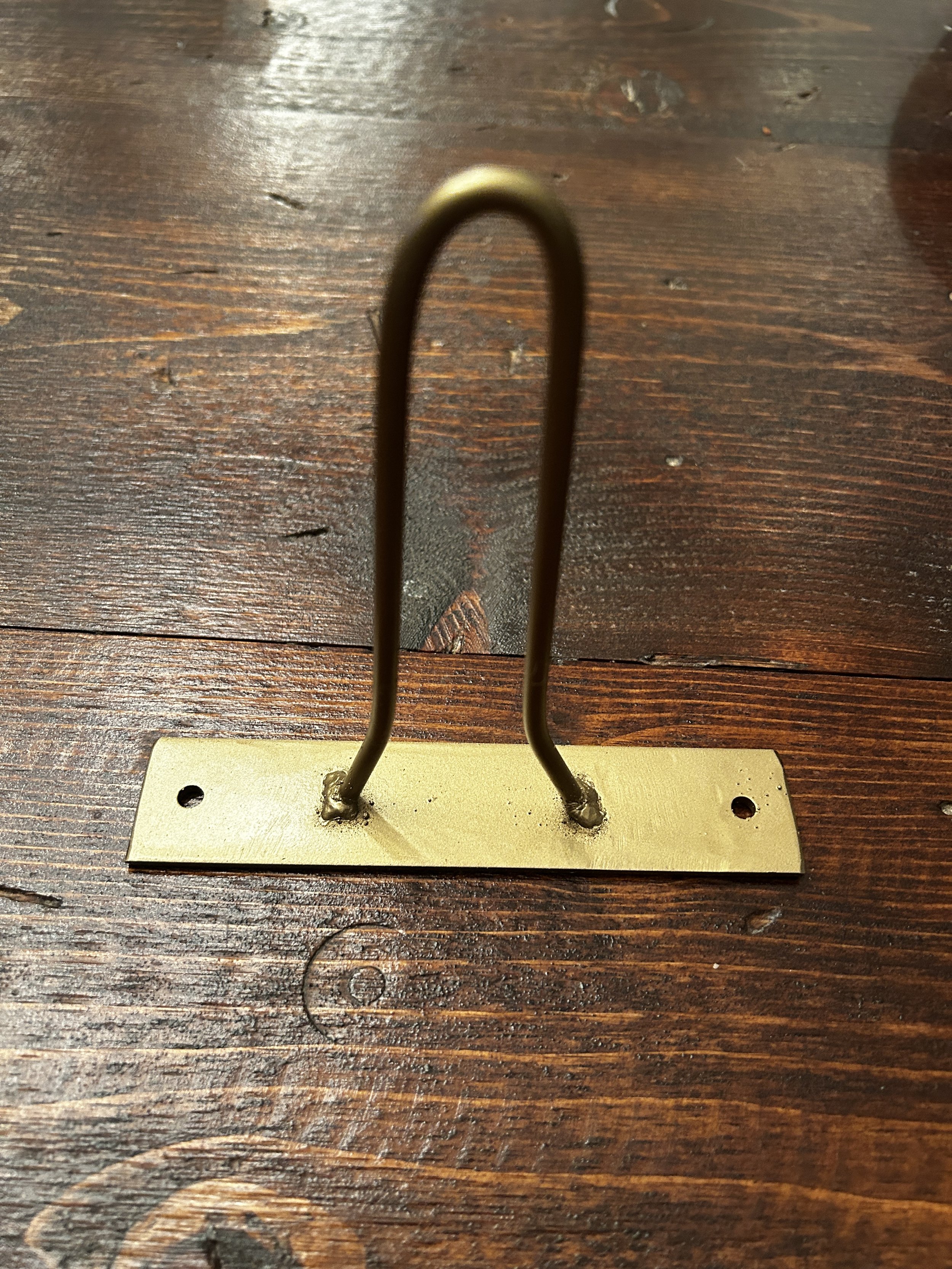
The QuailPro Processing Tool is a fast, controlled solution for processing Coturnix quail with consistency and confidence. Designed for small-scale breeders, it provides secure positioning for a smooth, repeatable dispatch—making it an effective quail processing tool and quail dispatch tool for backyard setups.
Whether you’re learning how to dispatch quail or upgrading from a traditional quail killing cone, this tool offers improved handling and control compared to basic quail processing equipment and other small bird processing tools. Built for efficiency and ease of use, it helps streamline your workflow while supporting a more consistent, low-stress process.
How it works: The tool holds the bird in a stable position—just guide the neck into the loop and use a quick, controlled downward motion. Quail vary in size, it may be necessary to squeeze the loop with a pair of pliers to better fit your birds.
Made in USA by Black River Designs, the QuailPro makes quick work on processing day.
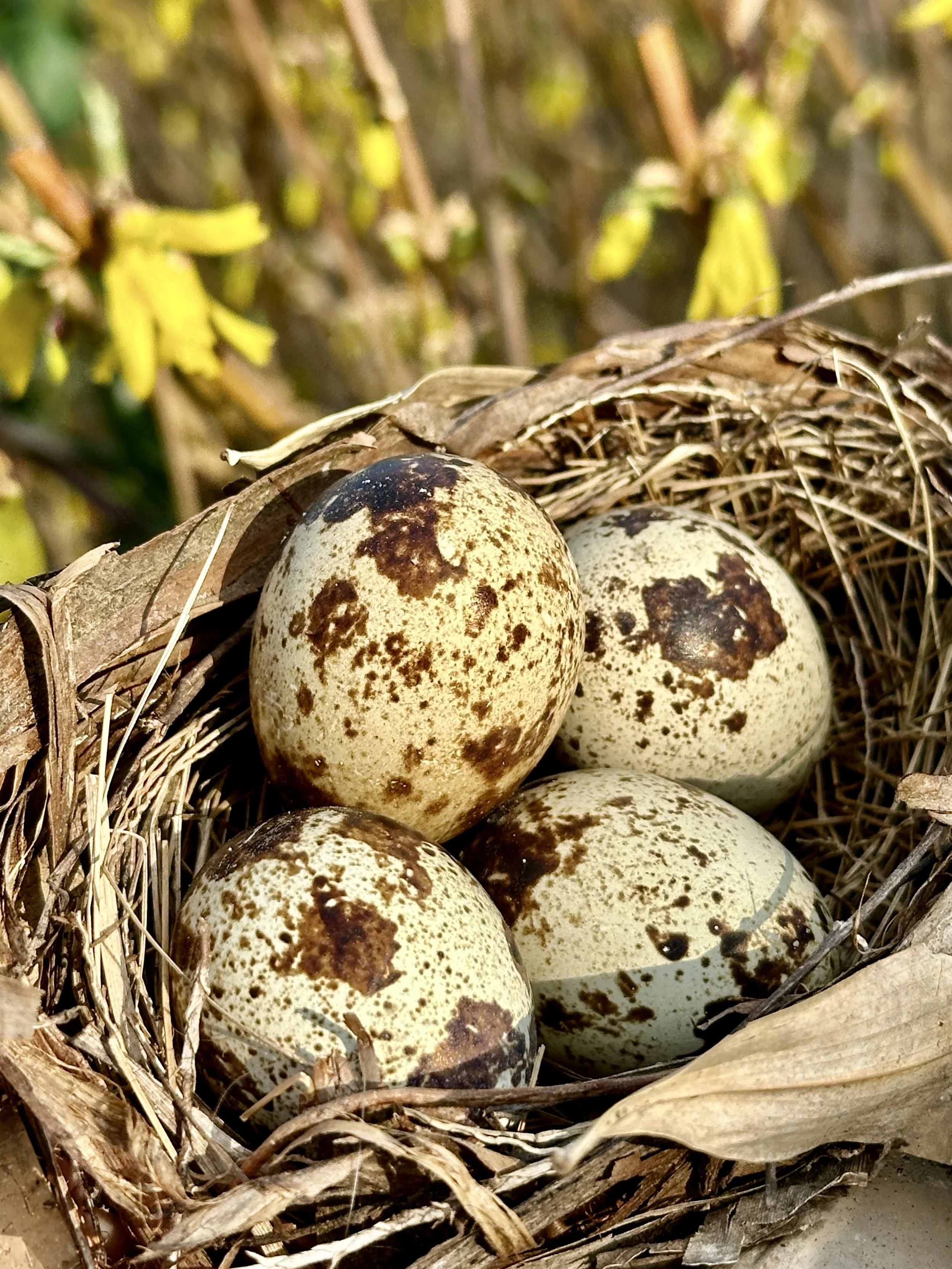
Quick Look
• Includes 36 mixed Coturnix quail hatching eggs
• Hatching and brooding supplies in one convenient box
• Includes a 12-inch brooder heat plate
• Thermometer and grip liner help you prepare for incubation and hatch day
• Egg scissors and cartons are included for your future homegrown eggs
• Free incubation and brooding ebooks
• FREE shipping
Start Hatching Coturnix Quail with Confidence
The Coturnix Quail Starter Box brings together hatching eggs and essential supplies for your first hatch. Instead of searching for each item separately, you’ll receive 36 mixed Coturnix quail hatching eggs, helpful incubation tools, a brooder heat plate and supplies you can continue using after your quail begin laying.
This box is an excellent starting point for first-time Coturnix quail keepers, families, homesteaders and educational hatching projects.
What’s Included
36 Jenn’s Choice Coturnix Quail Hatching Eggs
Your box includes 36 fertile Coturnix quail hatching eggs from Bryant’s Roost breeding birds. Egg colors and varieties may differ throughout the assortment.
Thermometer
Use the included thermometer to independently monitor the temperature inside your incubator. Accurate temperature monitoring is one of the most important parts of a successful hatch.
Grip Liner
The included grip liner creates a stable hatching surface and helps newly hatched chicks find their footing.
12-Inch Brooder Heat Plate
After hatch day, chicks need a safe source of warmth. The included 12-inch brooder plate provides a warm resting area for your new Coturnix quail chicks.
Quail Egg Scissors
Quail egg scissors make it easier to open the small eggs your hens may produce when they mature.
Feeder and Waterer Set
Five Quail Egg Cartons
Store, organize or share your future homegrown quail eggs in the five included egg cartons.
Free Educational Guides
You’ll also receive access to Bryant’s Roost guides about incubating and brooding Coturnix quail.
Starter Box Includes
✔ 36 mixed Coturnix quail hatching eggs
✔ 1 thermometer
✔ 1 piece of grip liner
✔ 1 twelve-inch brooder heat plate
✔ 1 feeder
✔ 1 waterer
✔ 1 pair of quail egg scissors
✔ 5 quail egg cartons
✔ Free incubation and brooding ebooks
✔ FREE shipping
What You Will Still Need
An incubator is not included. You will also need Coturnix quail starter feed and a secure brooder enclosure before your eggs hatch.
Perfect For
• First-time Coturnix quail owners
• Families hatching quail at home
• Homesteaders starting a backyard quail flock
• Homeschool and classroom incubation projects
• Anyone who wants hatching eggs and essential supplies in one shipment
From Bryant’s Roost
Bryant’s Roost combines hands-on quail-raising experience with practical supplies selected for real-world use. This Starter Box is designed to remove the guesswork from preparing for your first Coturnix quail hatch and help you begin with greater confidence.
Because shipping and incubation conditions are outside our control, hatch results can vary.
Frequently Asked Questions
-
Yes. This page contains an unedited demonstration of processing a quail for meat. The video is intended for educational purposes and may not be suitable for all viewers.
-
I wanted viewers to see the process exactly as it happens on my farm. There are no camera tricks or skipped steps—just a realistic demonstration with explanations of what I'm looking for and why.
-
This demonstration features a Bryant's Roost Jumbo White Coturnix quail and others. This line has been selectively bred for larger body size, broad breast development, large eggs, and calm temperament while maintaining the fast growth and efficiency that make quail such an excellent homestead bird.
-
There are many different processing methods, and experienced poultry keepers often develop techniques that work best for them. In this video, I demonstrate the method I use on my own farm while explaining why I make each cut and what I evaluate during processing.
-
I pay close attention to breast development, body condition, overall muscling, fat distribution, carcass quality, and growth performance. Processing birds is also one of the best ways to evaluate the success of a breeding program because it tells you far more than simply looking at a live bird.
-
Most Coturnix quail are processed between 6 and 10 weeks of age, depending on breeding goals, desired carcass size, and individual growth rates. My breeding program focuses on producing birds that continue developing excellent muscling while maintaining productive laying ability.
-
Carcass yield varies based on genetics, age, nutrition, and processing technique. In this video, I discuss what I expect from my breeding program and explain the traits I'm selecting for as I continue improving the line.
-
In my experience, yes. One of the reasons I enjoy raising quail is that processing requires far less space, equipment, and time than processing chickens. For many homesteaders and families with limited space, quail offer an efficient way to produce both meat and eggs.
-
My goal has always been practical food production. I wanted a bird that grows quickly, produces large eggs, has excellent meat yield, and fits well into a backyard or small-acreage setting. Every generation brings me a little closer to that goal.
-
Yes. Throughout Bryant's Roost, Poultry Nerds, and Beyond the Egg, I share practical experience, research-backed information, and educational resources covering breeding, incubation, nutrition, shipping, and raising quail successfully.
-
Raising your own food isn't always glamorous, but I believe it's important to understand the entire process—from hatching an egg to responsibly producing healthy food for your family. My goal is to educate, answer questions honestly, and help others become more confident poultry keepers.