
 Image 1 of 8
 Image 2 of 8
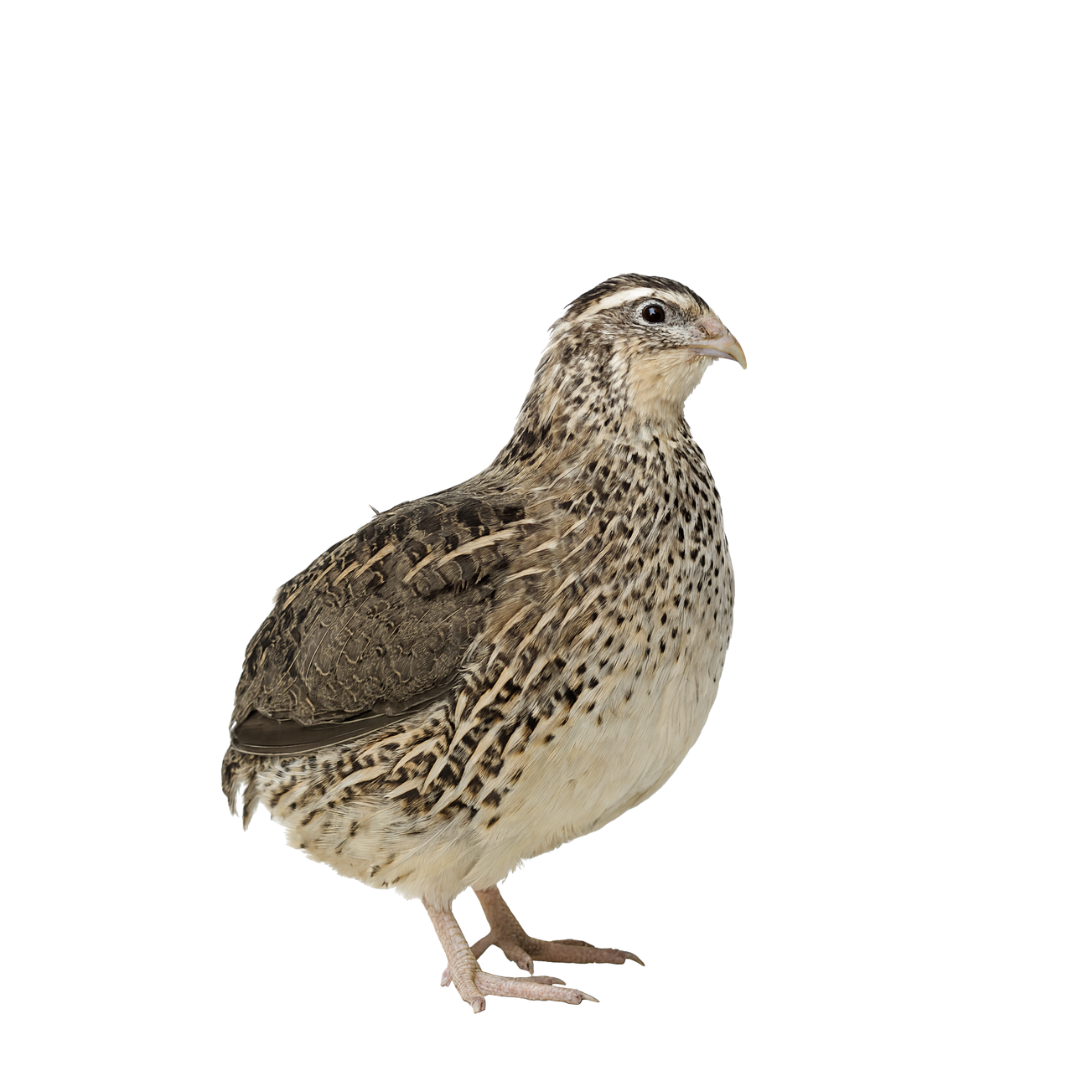 Image 3 of 8
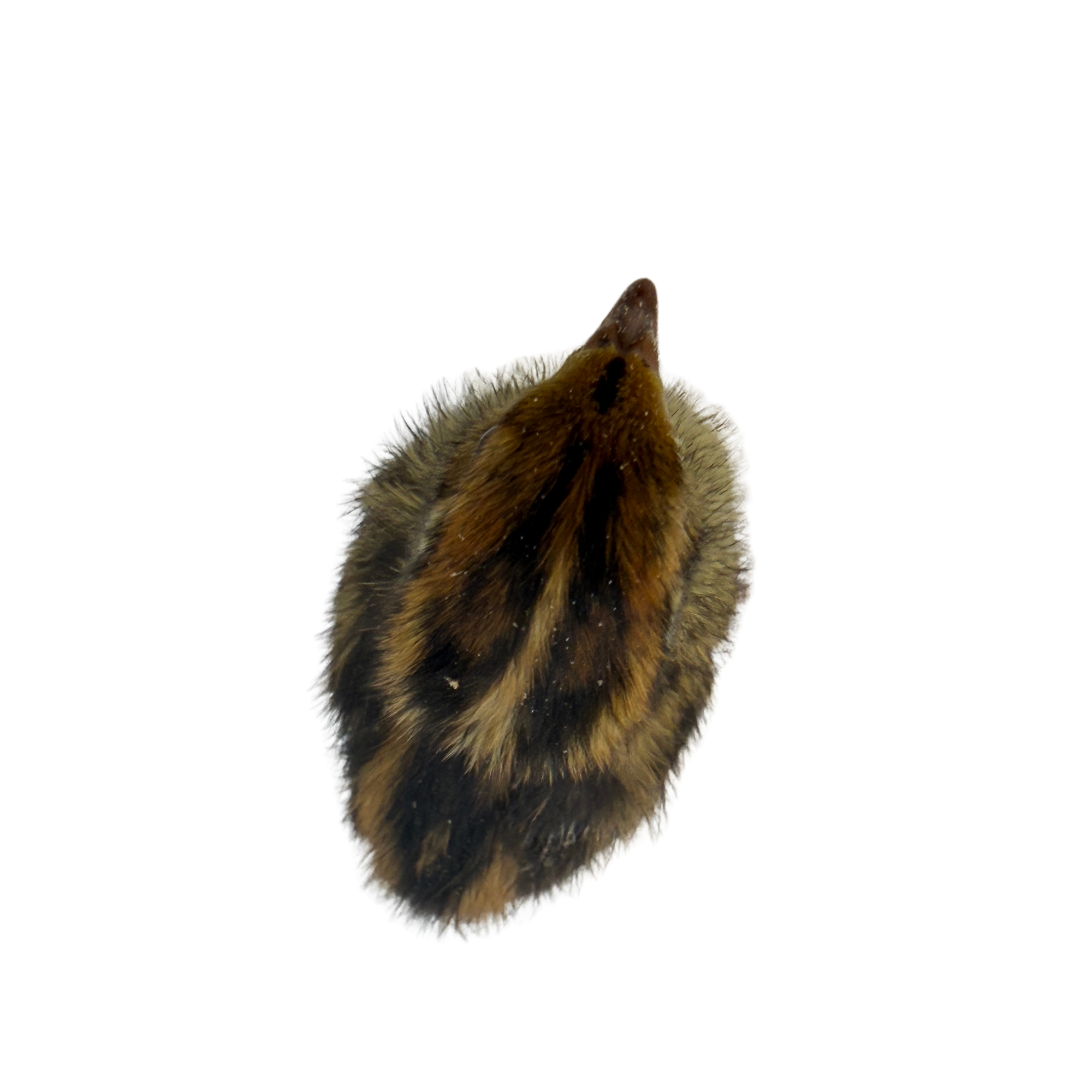 Image 4 of 8
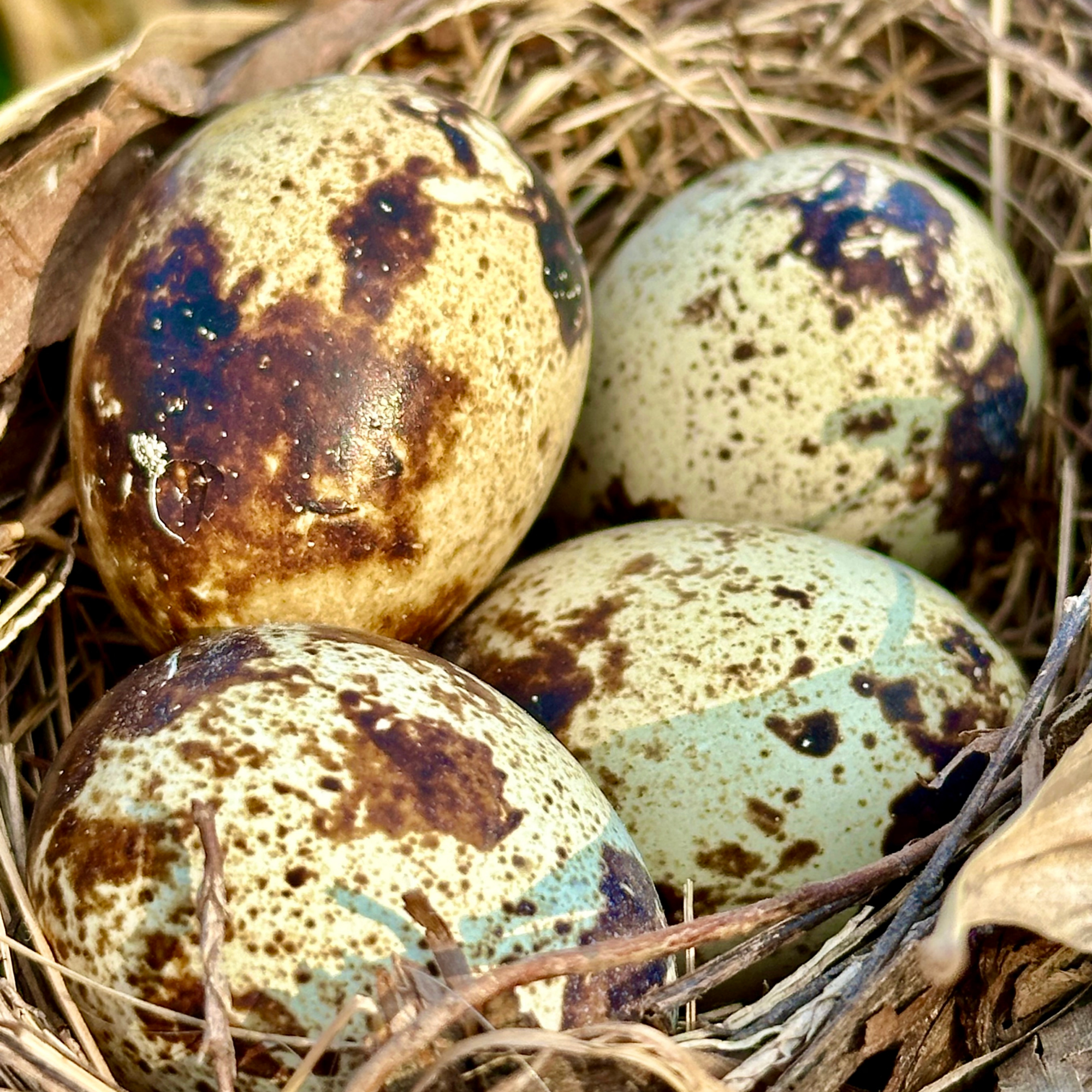 Image 5 of 8
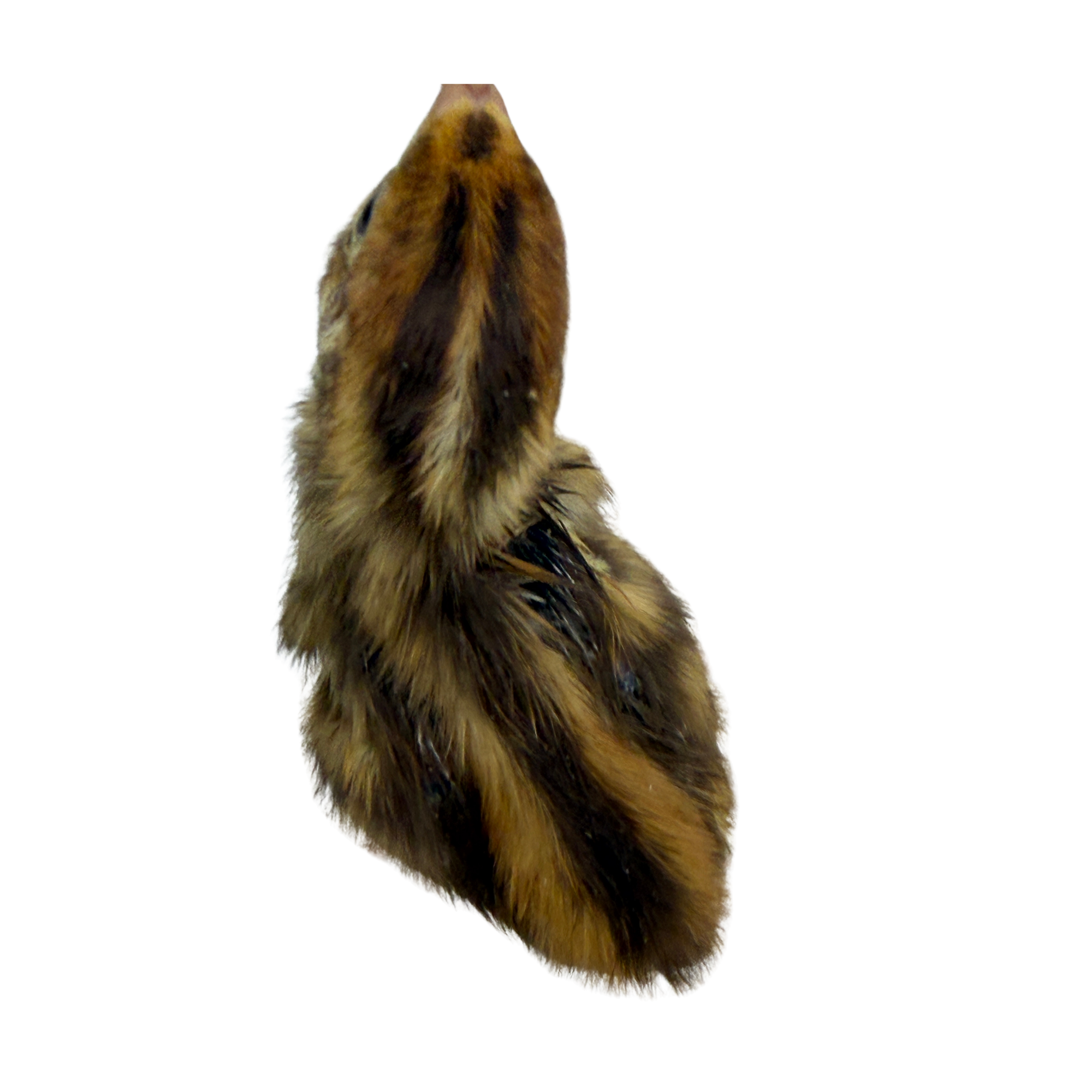 Image 6 of 8
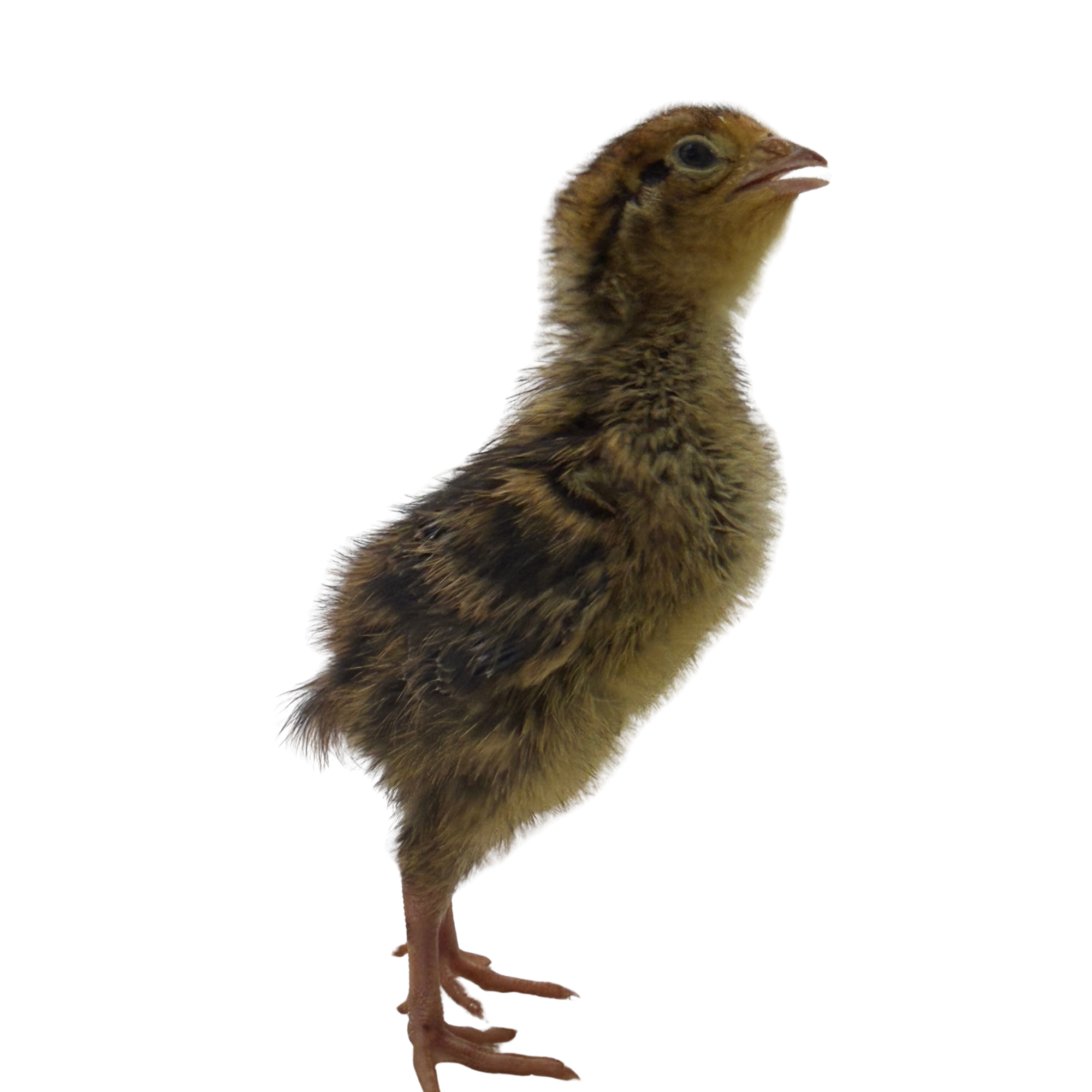 Image 7 of 8
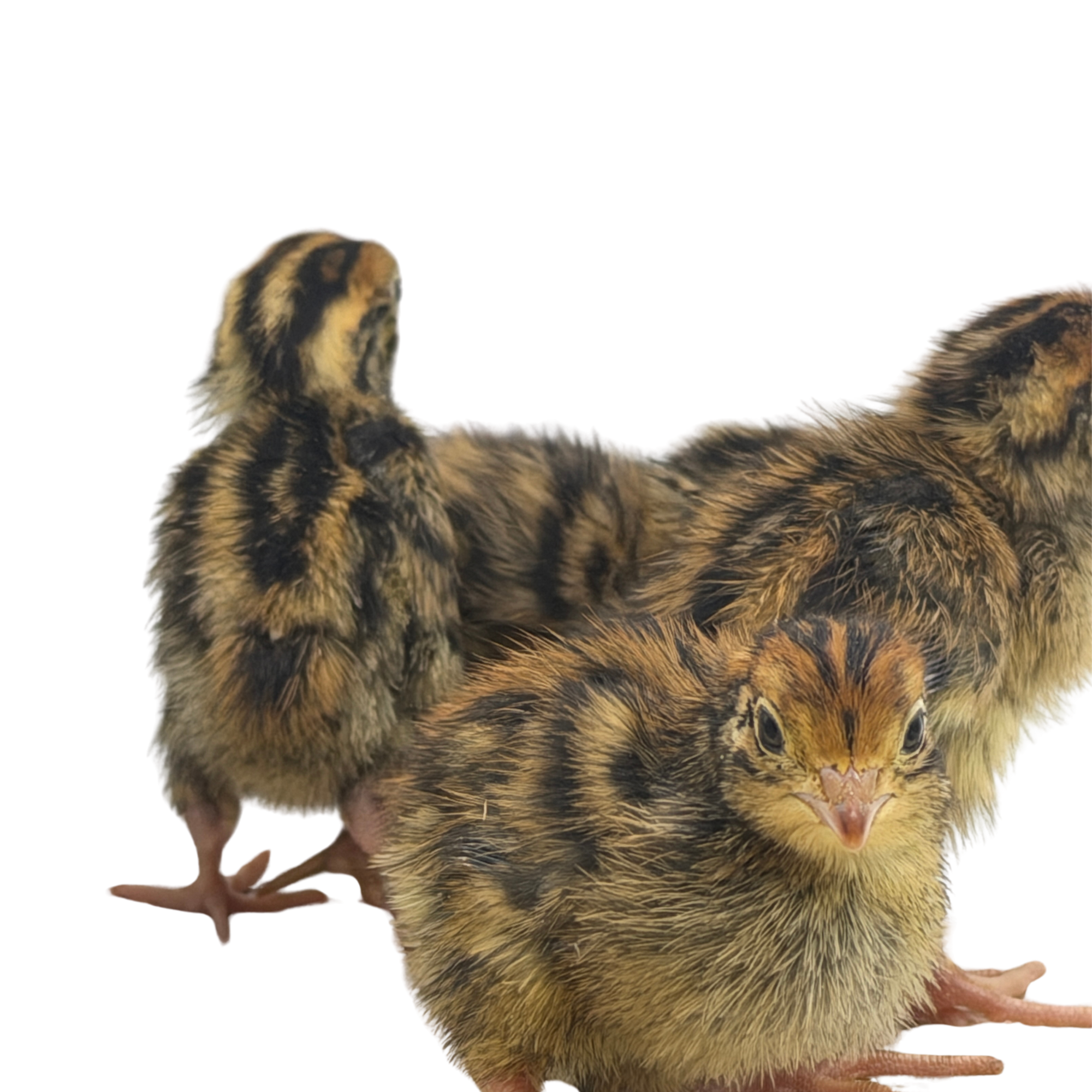 Image 8 of 8
Jumbo Pharaoh Coturnix Quail Hatching Eggs


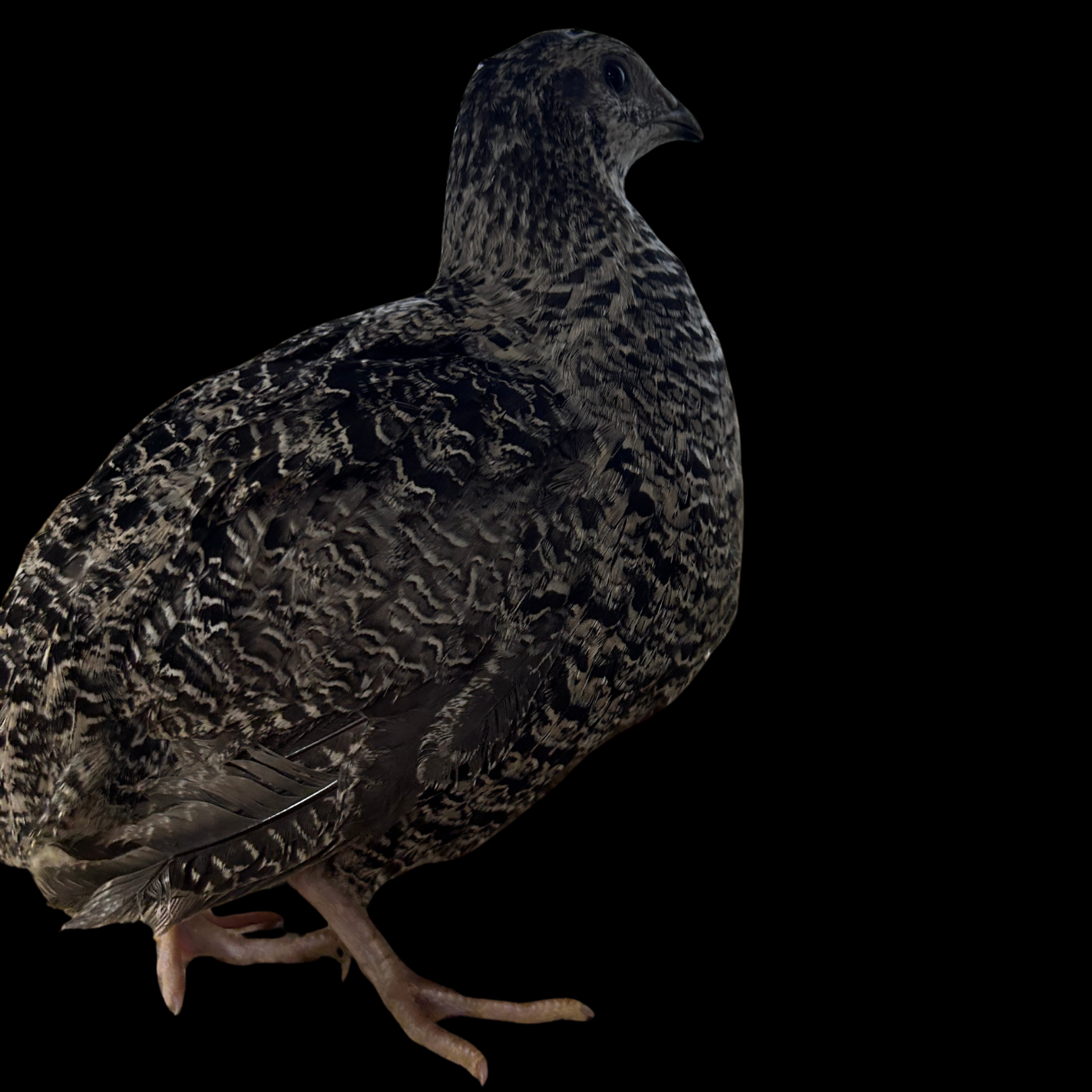
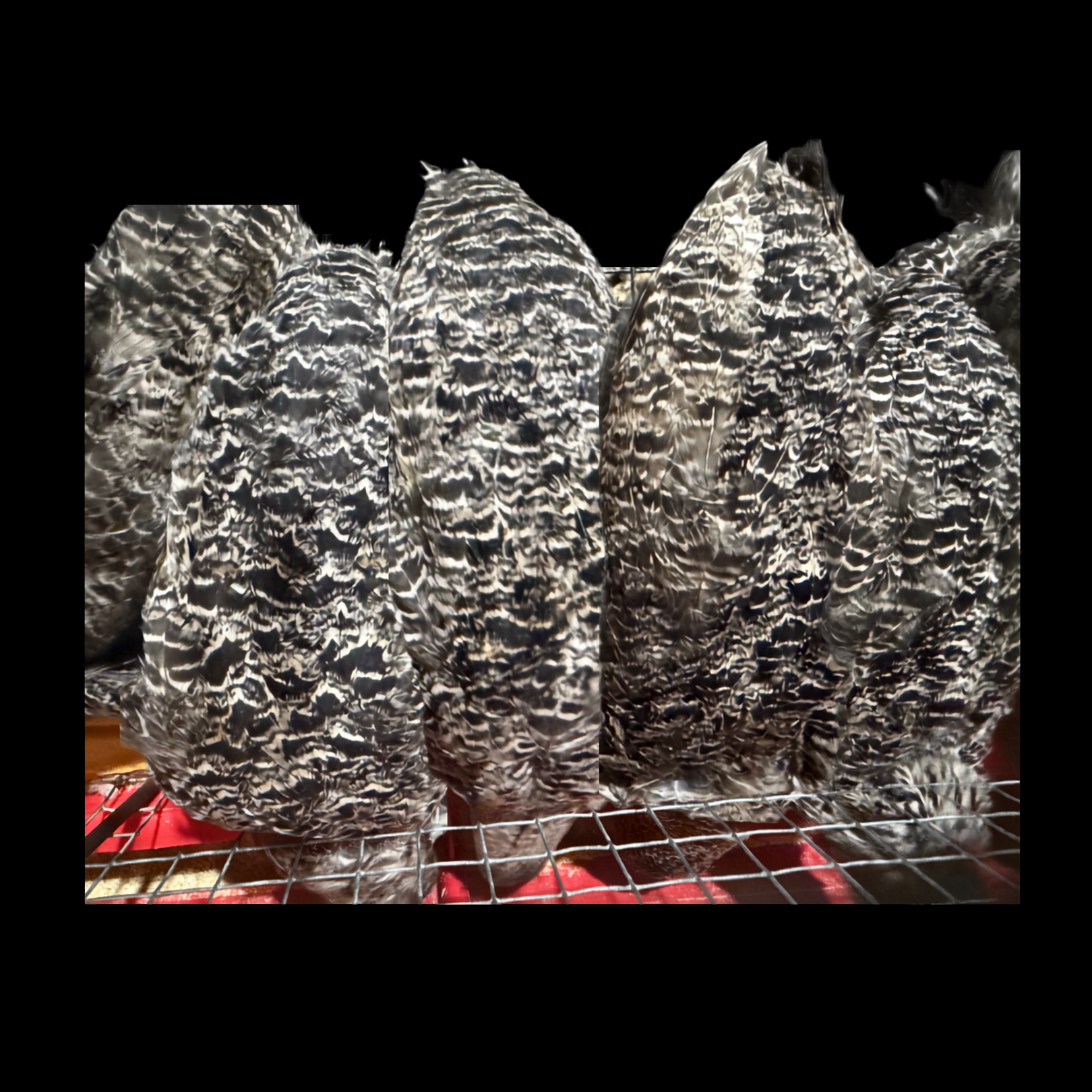
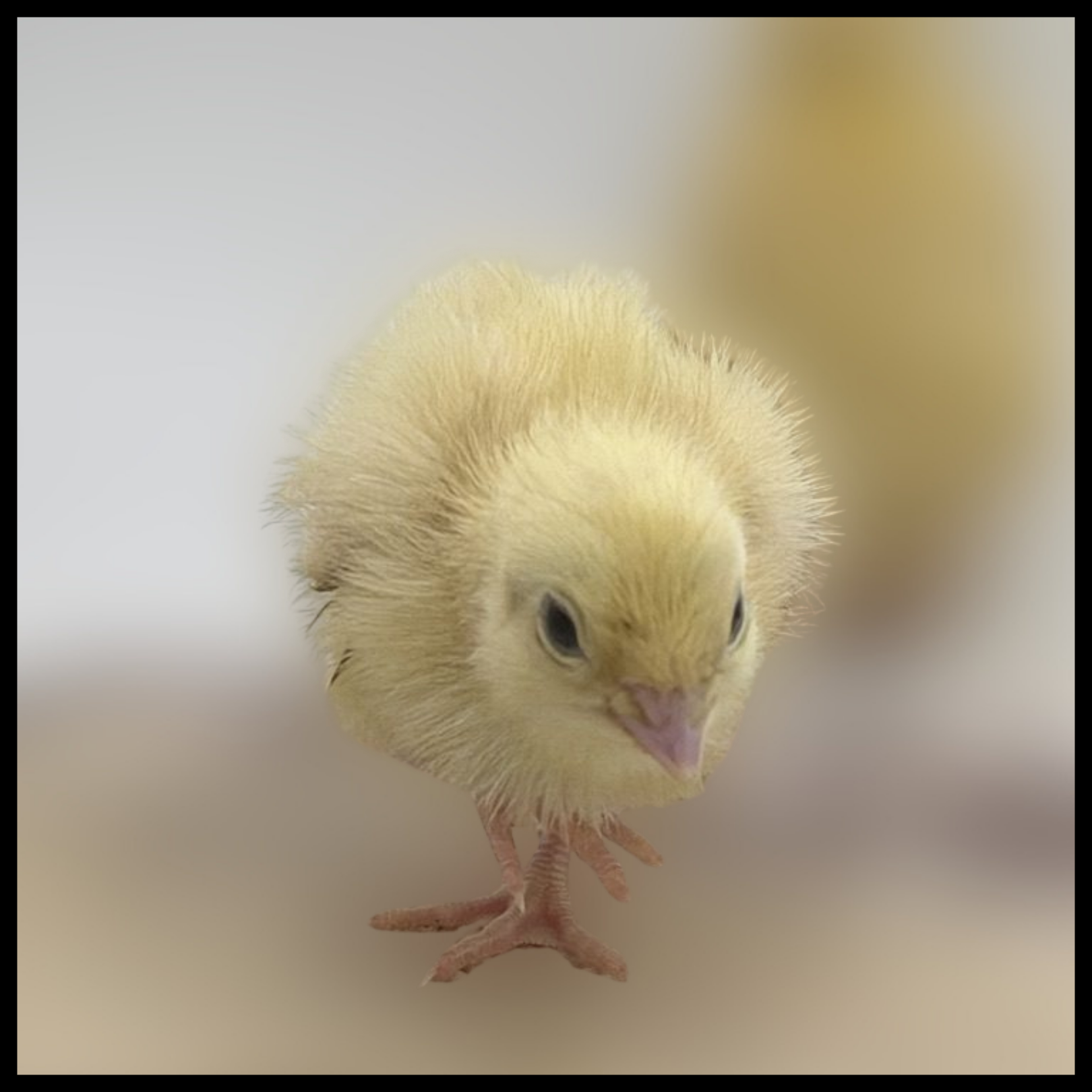
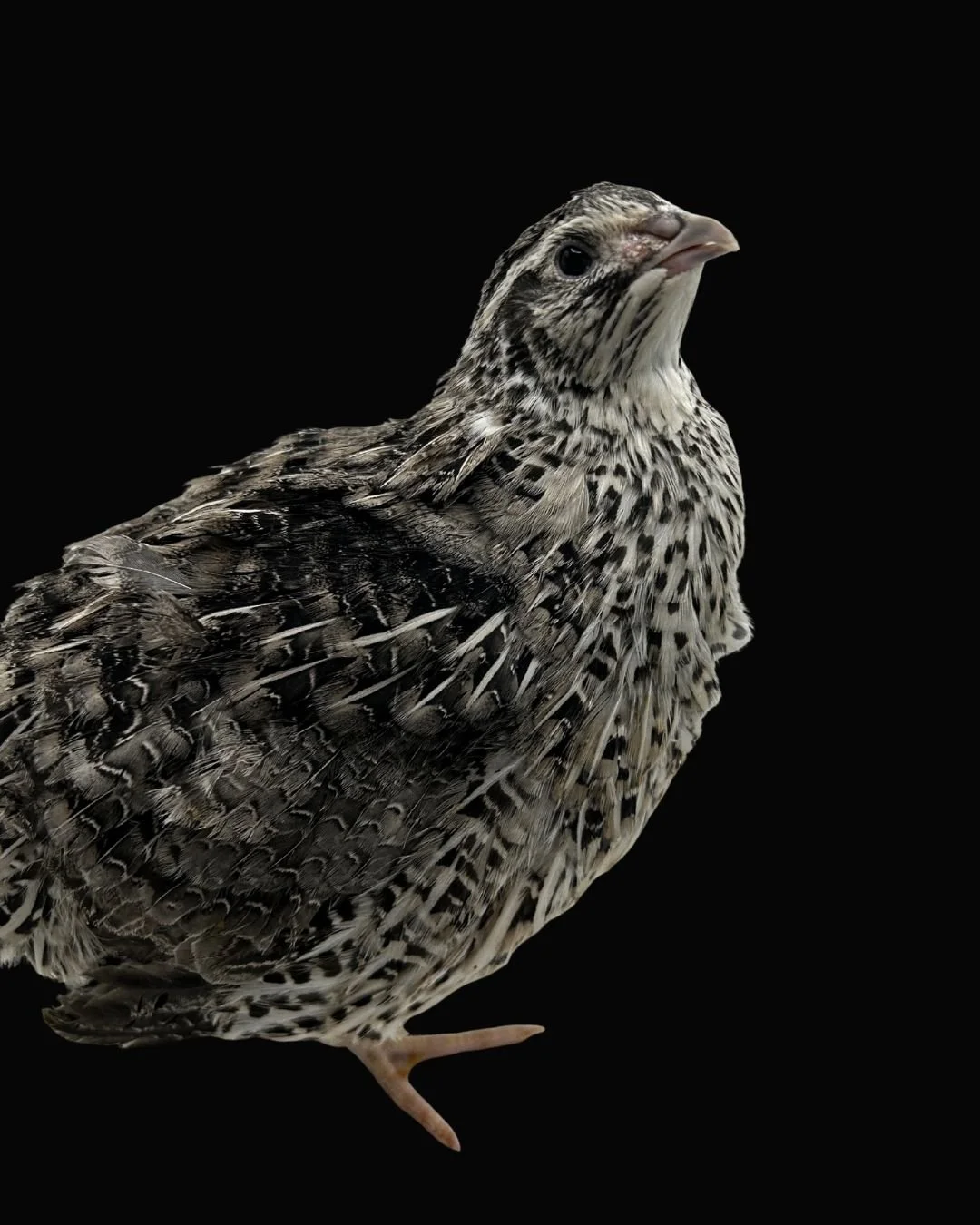
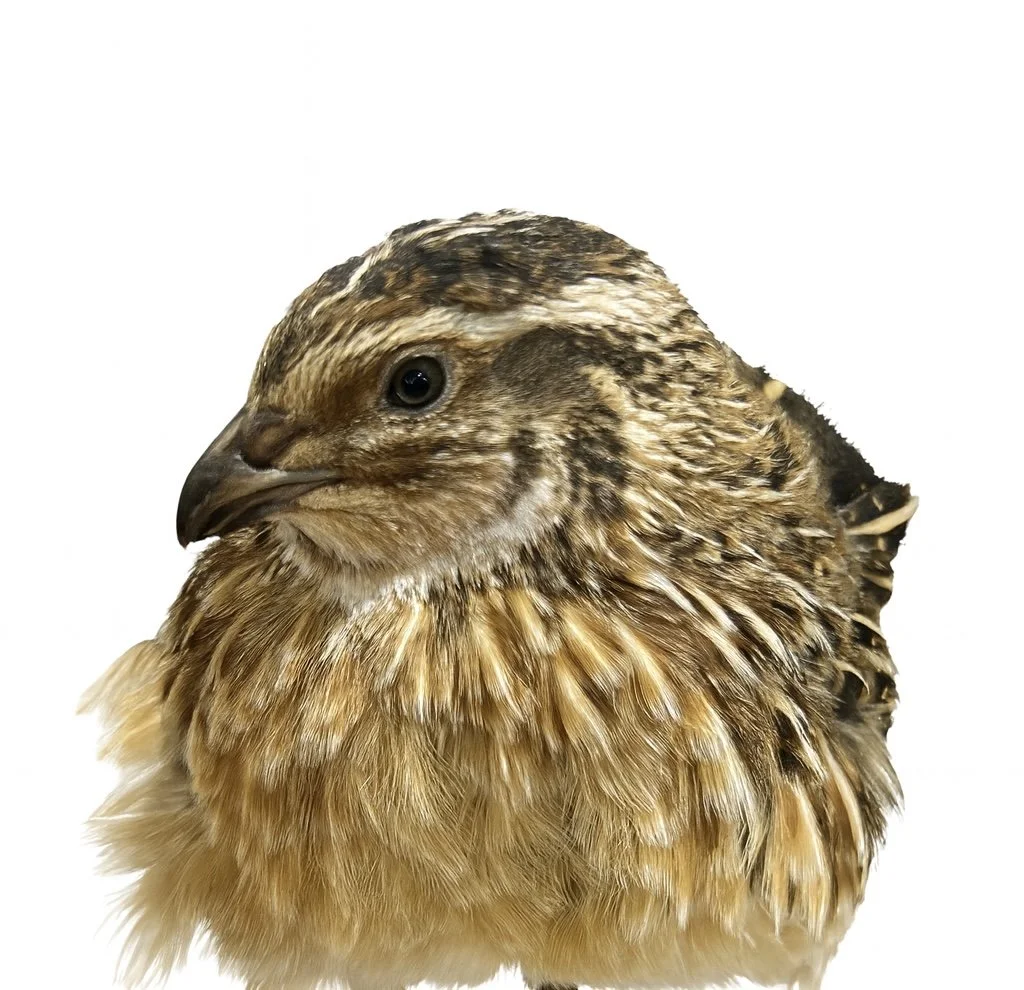
The Pharaoh Coturnix Quail, often called Wild Type, displays the natural plumage pattern of wild Japanese quail (Coturnix japonica). While the coloration resembles their wild ancestors, today's domesticated Coturnix have been selectively bred for generations to improve body size, egg production, temperament, and overall performance.
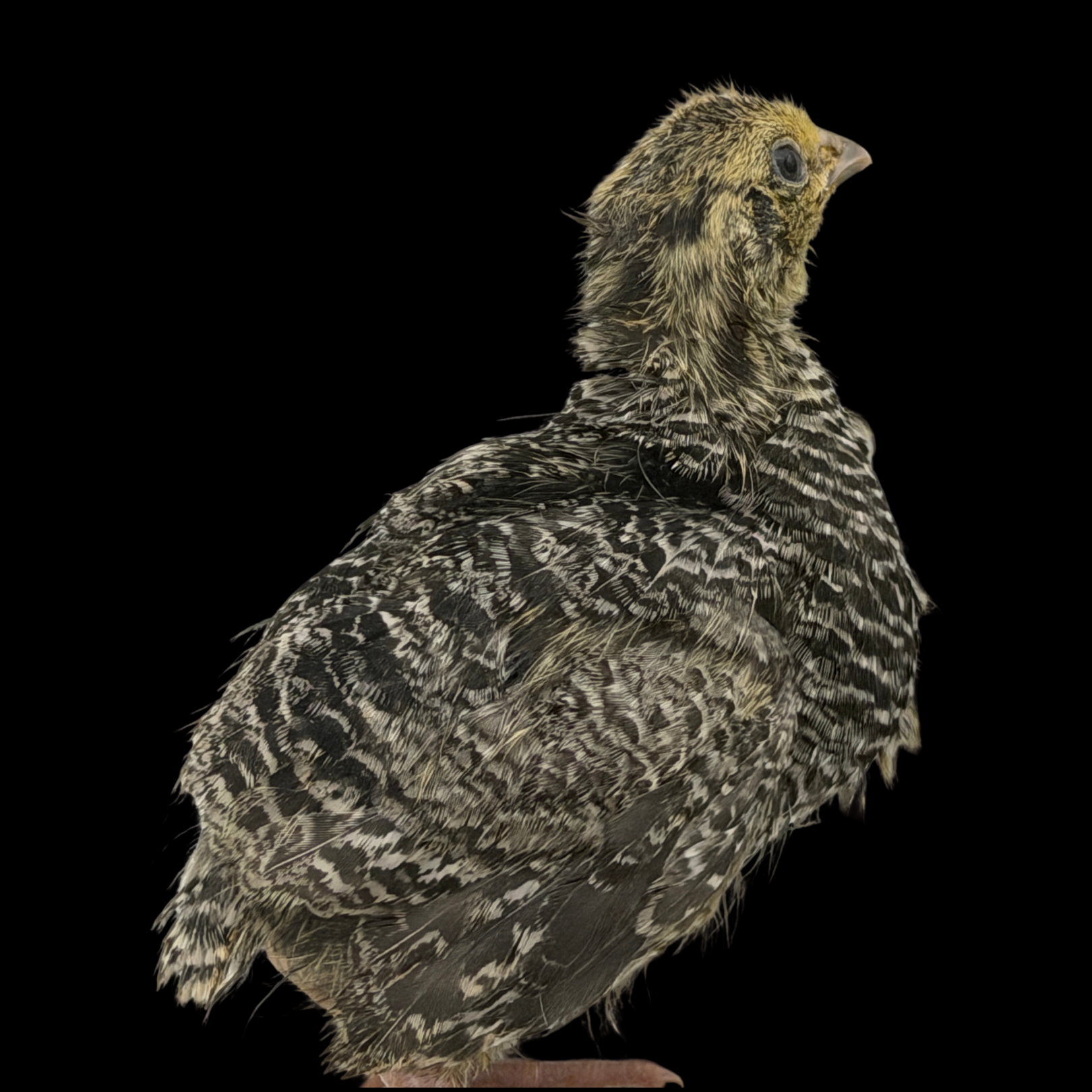
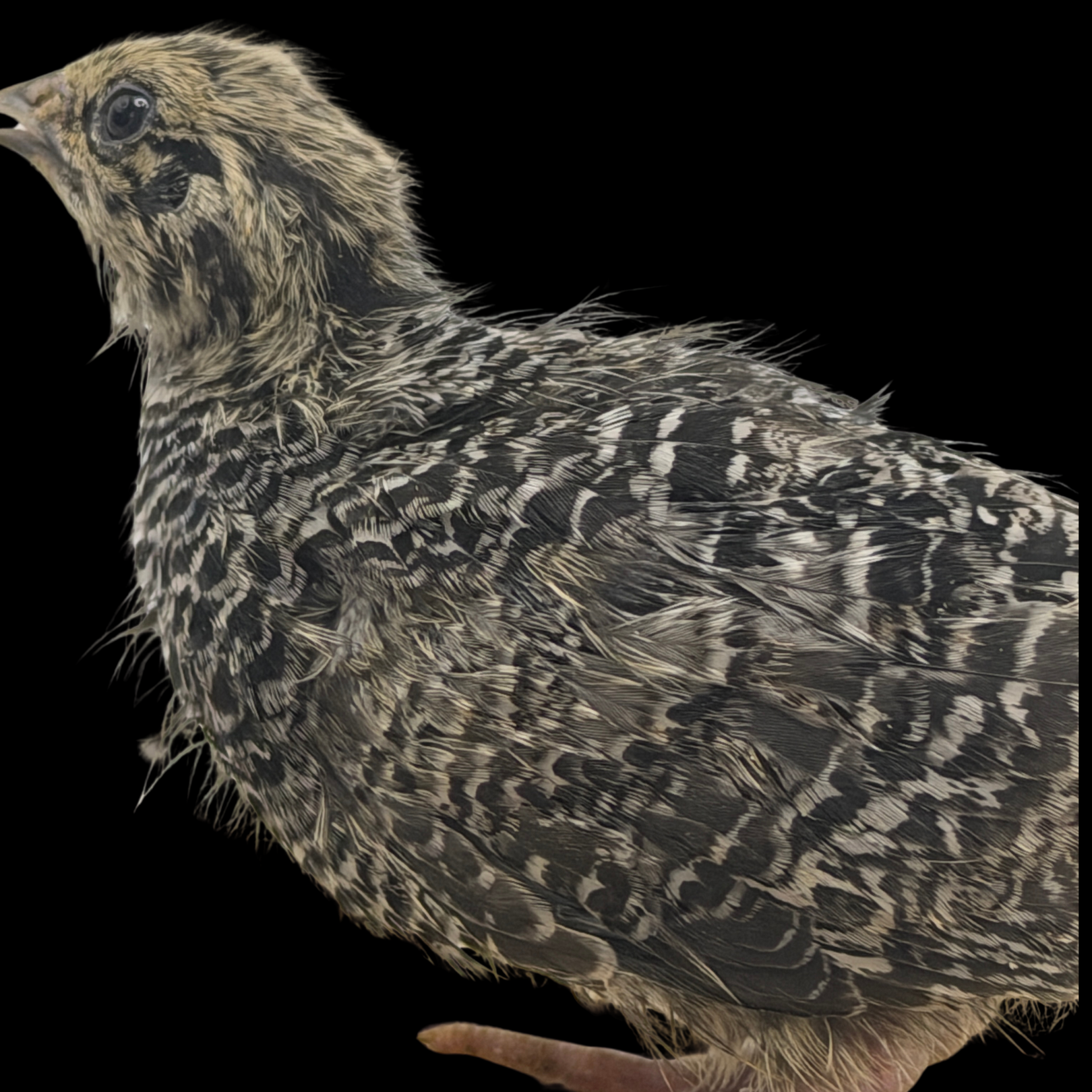
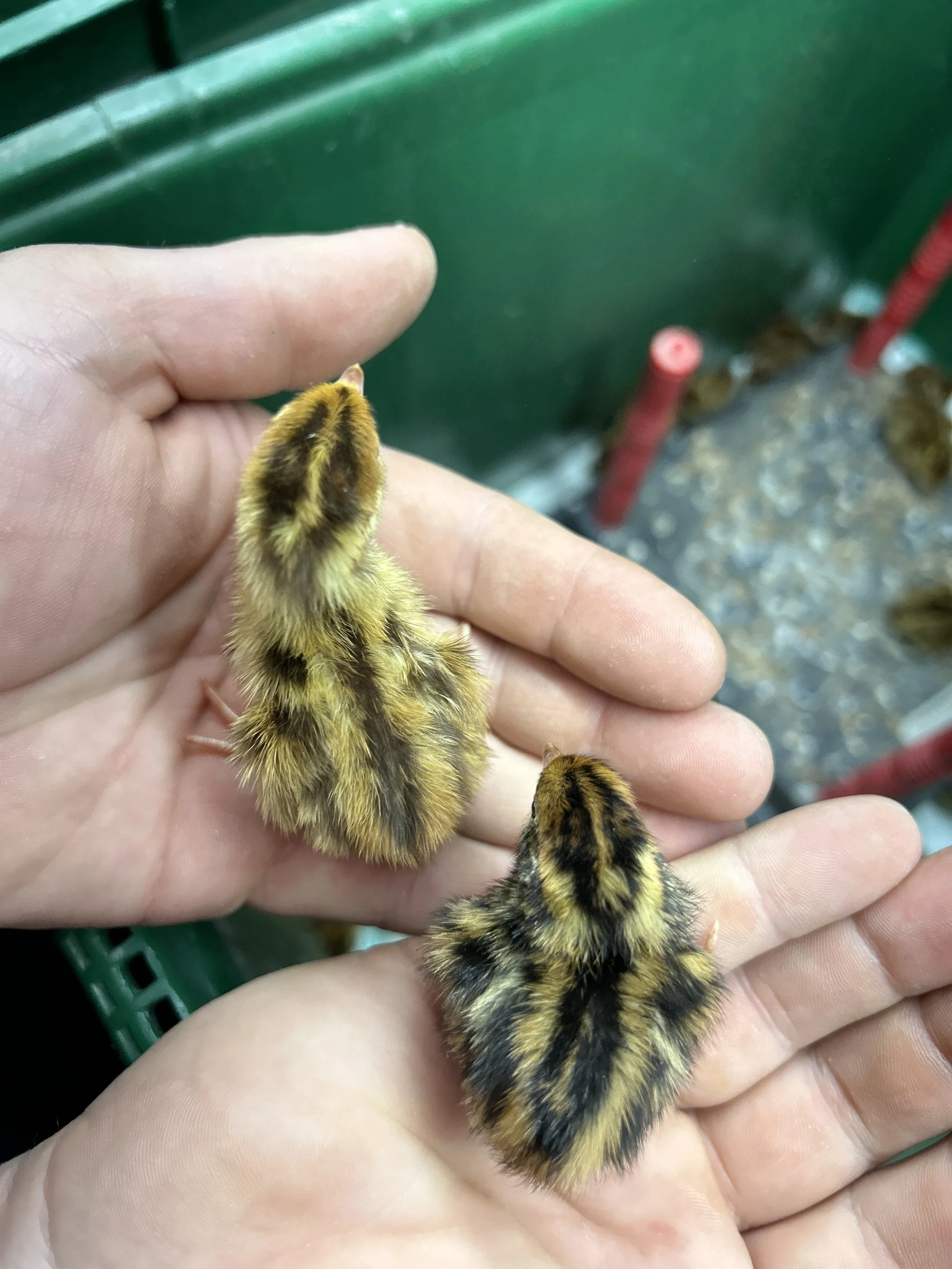
The Bryant's Roost Pharaoh line has been selected for jumbo body size, calm temperament, correct feather markings, and large egg production. These birds breed true for the traditional wild-type pattern, making feather sexing simple. Chicks often begin showing their adult coloration around 17 days of age, allowing many birds to be accurately sexed well before maturity.
Our Pharaoh Coturnix mature quickly and typically begin laying around 7 weeks of age. However, just because a hen starts laying doesn't mean she has finished growing. We recommend keeping all young birds on a quality starter or grower feed until 10 weeks of age to maximize skeletal development, body condition, and long-term productivity. Early egg production places significant nutritional demands on young hens, and allowing them to continue growing before switching to a 17–20% layer feed can help reduce issues such as prolapse later in life. Most birds can be transitioned to a quality layer ration between 10 and 12 weeks of age.
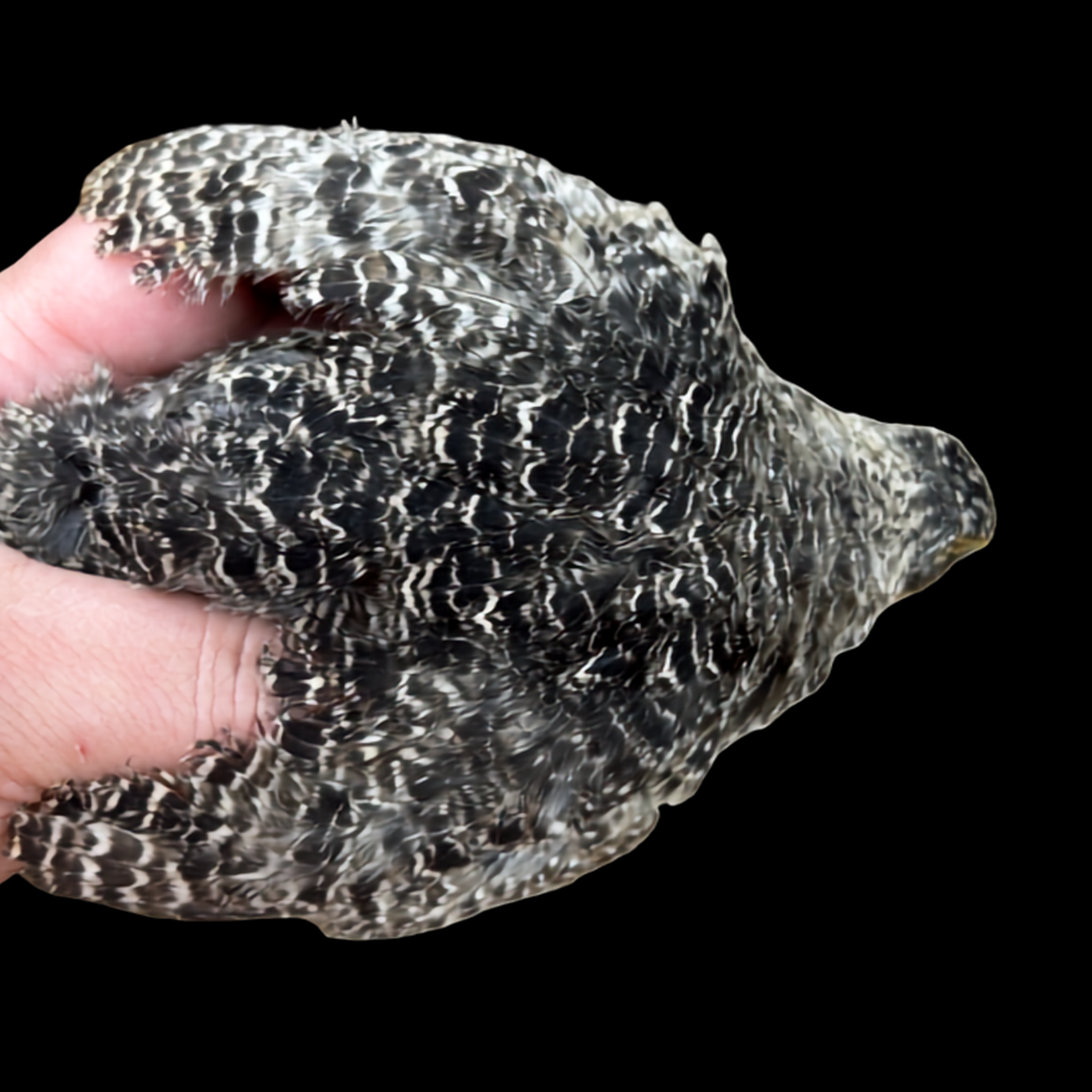
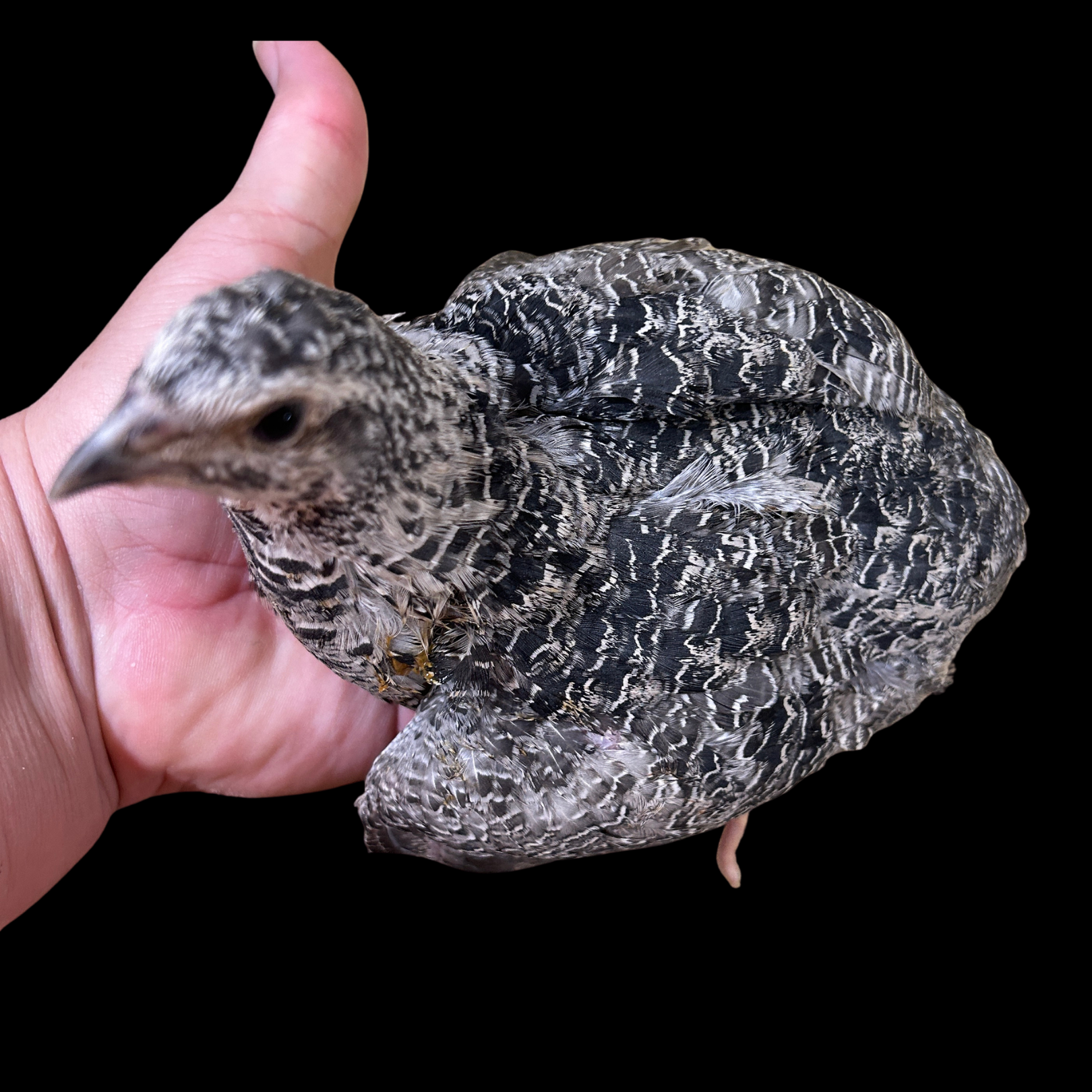
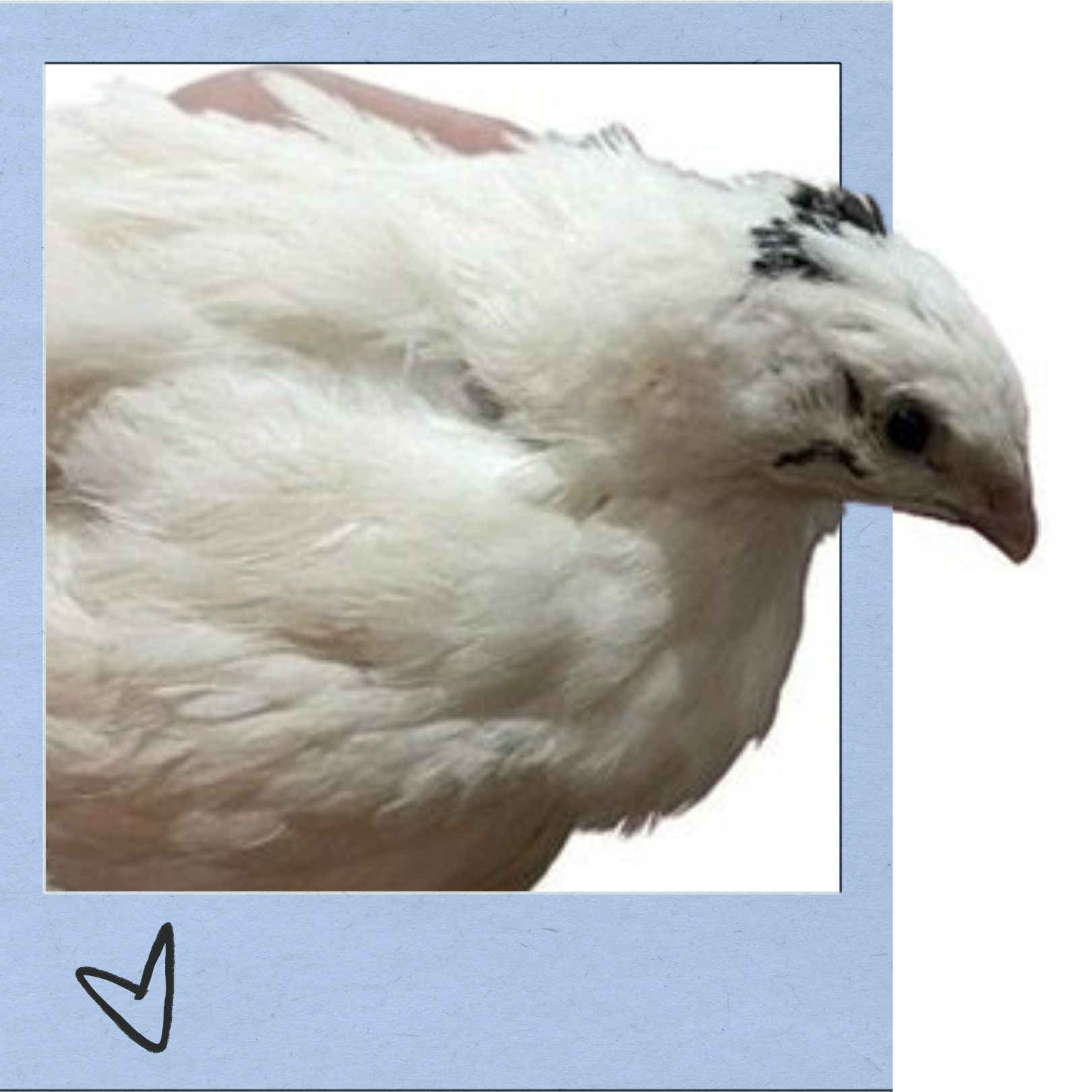
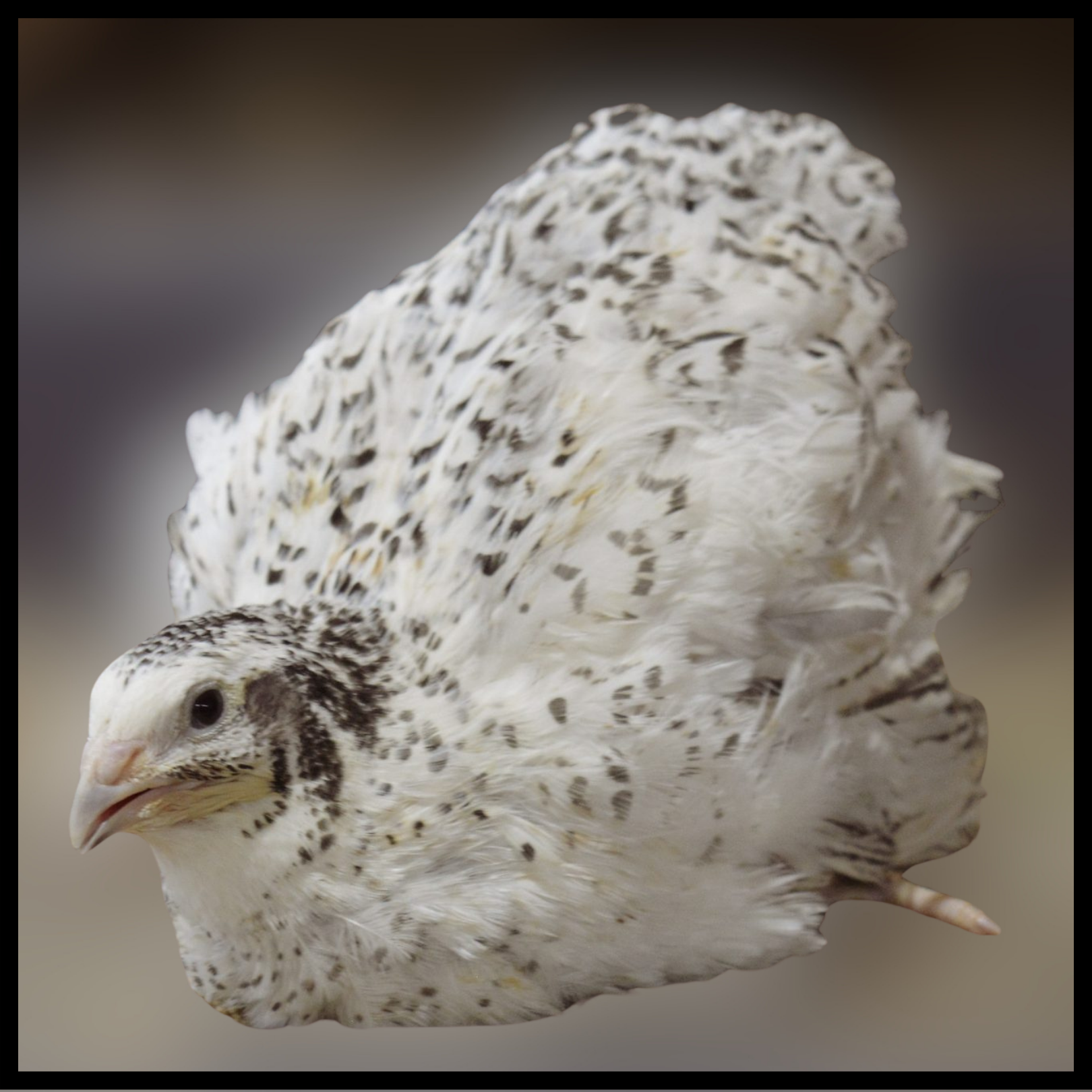
As the chicks feather out, watch the breast feathers closely. Females retain the characteristic dark speckled breast throughout adulthood. Males gradually lose these speckles as a rich rust-colored breast develops upward from the lower chest, typically becoming fully colored by about five weeks of age. Mature males also develop the distinctive white throat or "chin strap" associated with the Pharaoh variety.
Females generally grow faster during the first few weeks and often appear larger than males at the same age. If you're uncertain of a bird's sex while moving them into grow-out pens, it's usually best to leave the questionable bird with the females until you're certain. A single unexpected male is generally less disruptive than accidentally placing a female into a pen of bachelor males.
When selecting breeders, choose birds with excellent size, calm temperaments, strong fertility, and well-defined feather markings. Birds that do not meet your breeding goals can still make excellent egg layers or meat birds. After establishing breeding groups, observe the male closely during the first week. An overly aggressive rooster can excessively stress hens and reduce flock performance. If necessary, replace him with another male from your bachelor pen. Once you've identified the males you wish to keep for breeding, the remaining males can be processed for meat or sold.
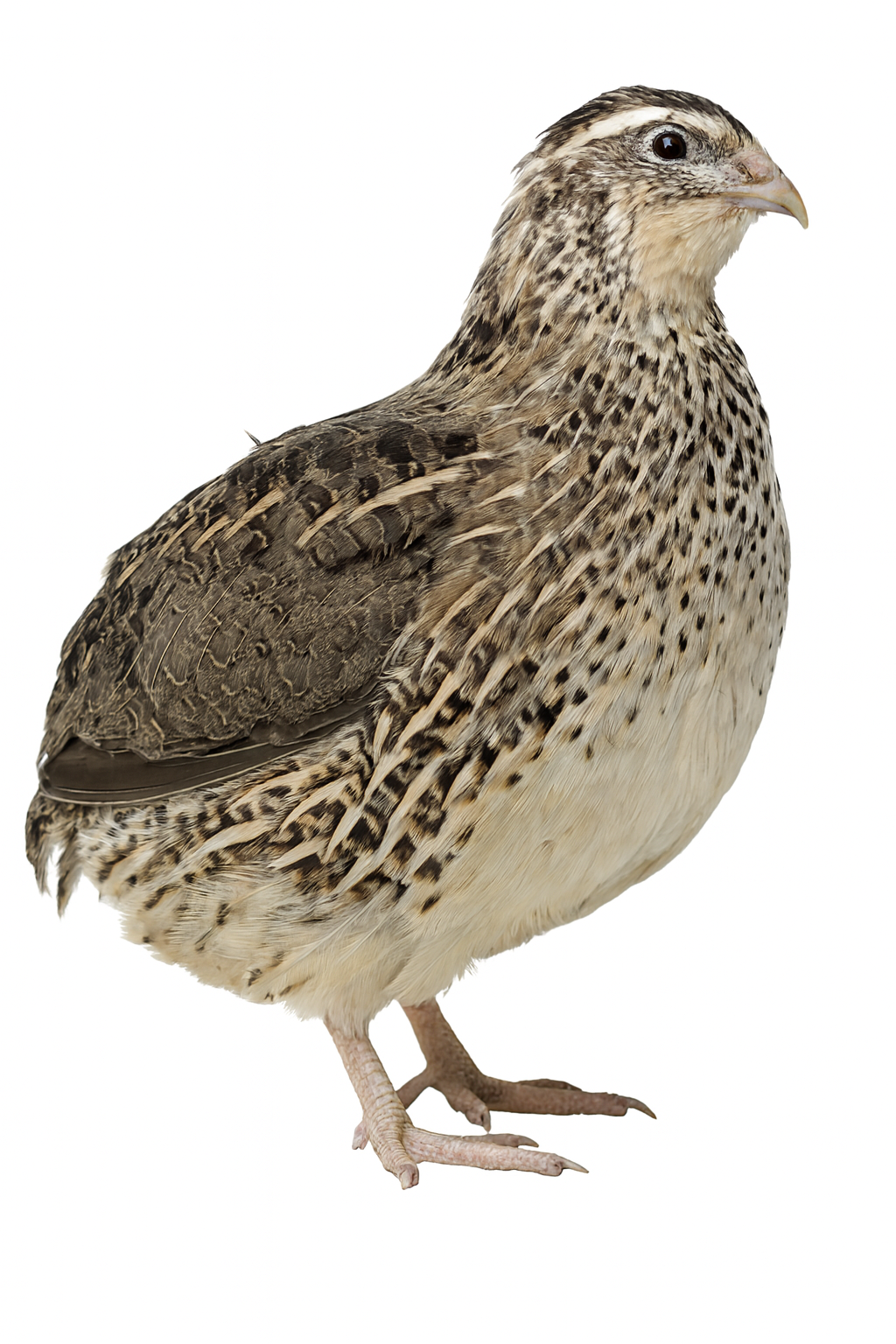
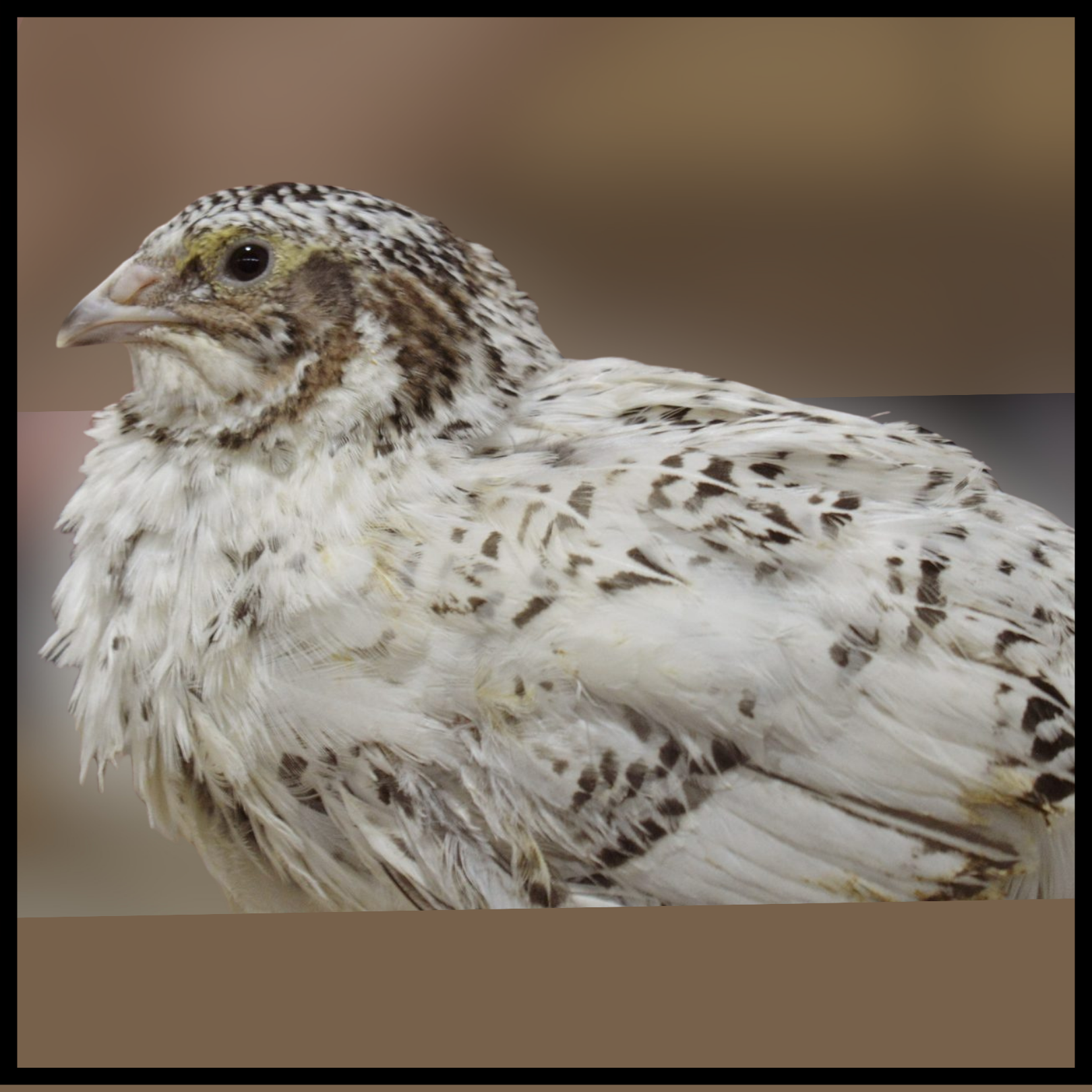
Hen
Notice the speckled chest and the lack of chin strap
Male, Rooster, Cock
Notice the lack of speckles, the rusty chest and the distinct chin strap
Frequently Asked Questions
-
Because shipped hatching eggs experience normal shipping stress, we recommend ordering more eggs than the number of birds you ultimately want.
-
Absolutely. Pharaoh Coturnix are one of the easiest poultry species to hatch and raise, making them an excellent choice for first-time quail keepers.
-
Both. Our Jumbo Pharaoh line has been selected to perform well for egg production while also producing a larger table bird than standard Coturnix.
-
Yes. Depending on the breeder, these birds may be called Jumbo Pharaoh, Jumbo Brown, Wild Type, or Sex-Linked Brown (SLB). They all refer to the traditional feather pattern of domesticated Coturnix quail.
-
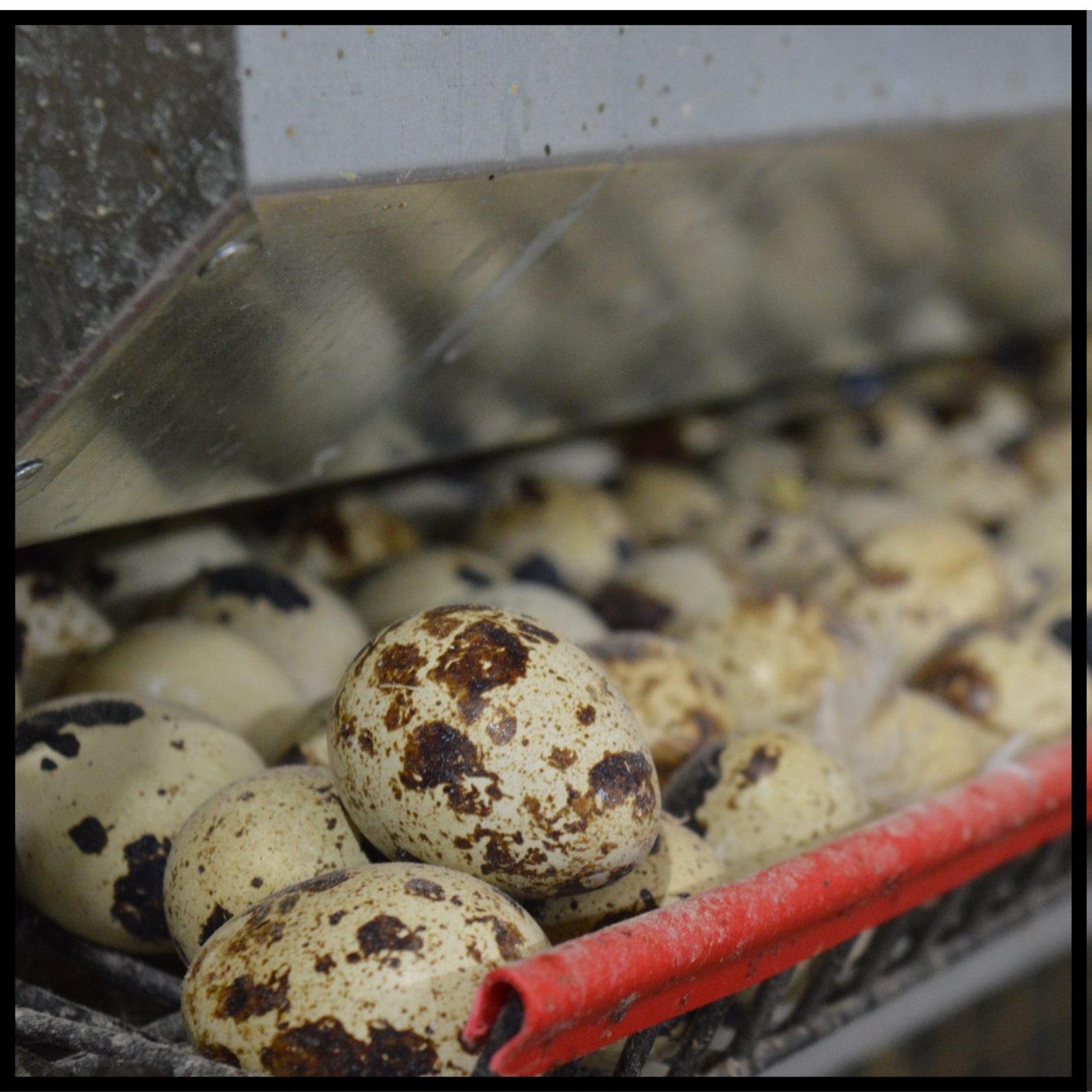
Coturnix quail typically hatch in 17–18 days when incubated under proper conditions.
-
The original JMF (Joe M. Folsom) line played an important role in the development of jumbo Coturnix in the United States, and many of today's jumbo bloodlines can trace ancestry back to those birds. Over decades of breeding and the exchange of breeding stock between farms, pure JMF lines have become difficult to verify.
Rather than relying on a historical name, Bryant's Roost focuses on selective breeding for the traits that matter most: large body size, calm temperament, fertility, hatchability, large eggs, and correct feather markings. Every generation is selected based on performance—not a label.
If you're searching for JMF quail, Jumbo Pharaoh quail, Jumbo Brown quail, or Wild Type Coturnix, our birds are an excellent choice for both egg and meat production.