

The Pharaoh Coturnix Quail: The Foundation of Every Color
When it comes to quail genetics, every beautiful color and pattern—from Italian and Tibetan to Rosetta and Grau Fee—can trace its roots back to one humble bird: the Pharaoh Coturnix quail. Often called the wild-type, this is the original color of the Japanese quail (Coturnix japonica) and the cornerstone of every modern line. Whether you’re breeding for new color mutations or simply want a strong, reliable production bird, understanding the Pharaoh’s genetics gives you the foundation to build from.
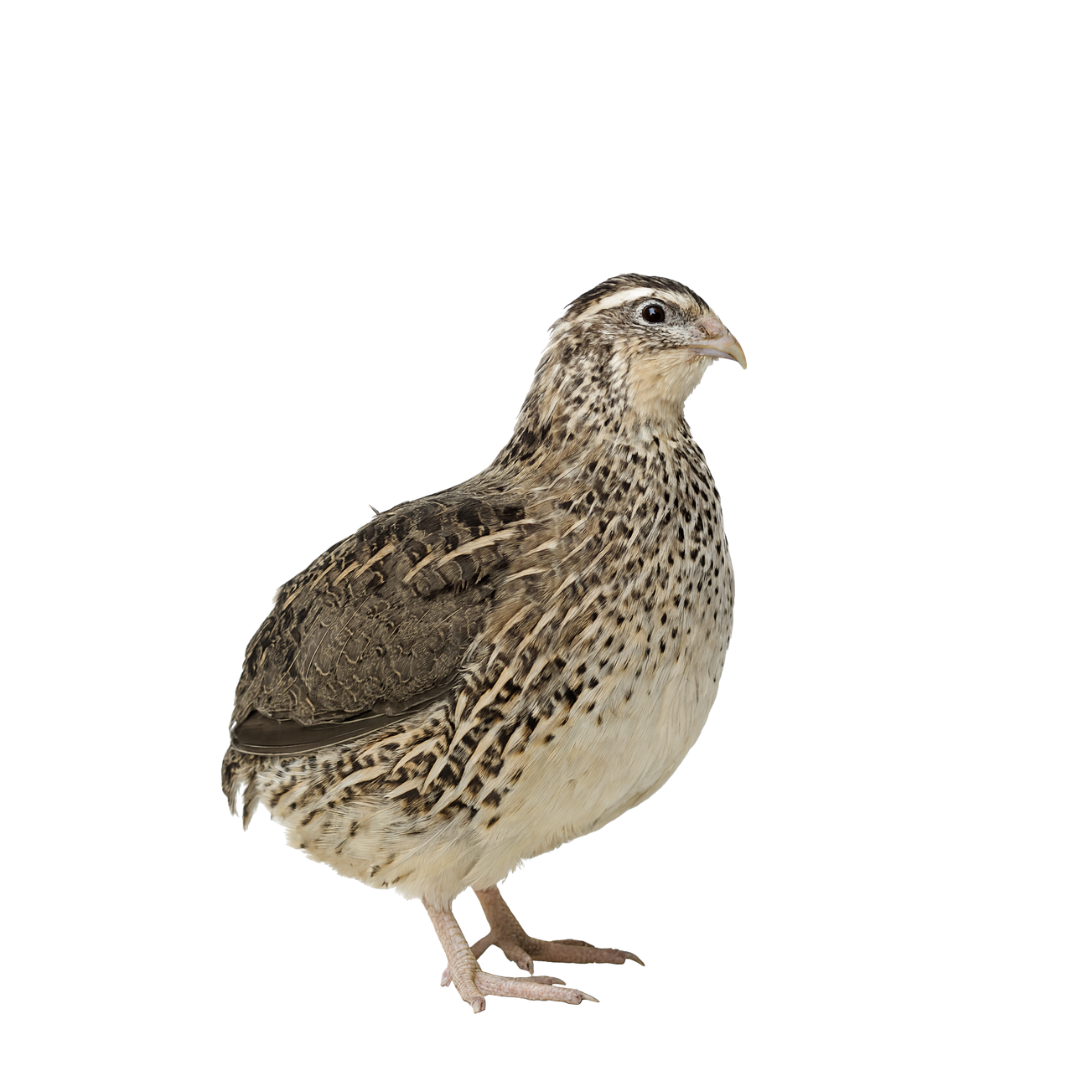
The Pharaoh quail represents the natural, wild coloration of Japanese quail. In their native habitat, this mottled brown plumage provides effective camouflage from predators, and that same beautiful pattern remains in domestic strains today. Their feathers show an intricate mix of brown, tan, and cream, with fine speckling throughout. The birds are sexually dimorphic, meaning males and females can be visually distinguished as early as three weeks of age. Males develop a rich copper or rust-colored breast with few or no spots, while females have a lighter cream-colored breast with distinct black speckles. The overall pattern gives them a natural, earthy look—similar to a small partridge or grouse—and is the reason many breeders refer to them as “wild-type” or “natural” Coturnix.
In genetics, “Pharaoh” simply means the base genotype—the original version of the genes before any mutations occurred. It serves as the reference point for all color genetics in quail.
Because Pharaoh is the wild-type, it’s also the control bird in color breeding. When breeders test a new mutation or want to confirm a hidden gene, they cross the mutant back to a Pharaoh to see how the trait expresses. This is why reputable breeders emphasize maintaining a strong Pharaoh line. It’s genetically clean, hardy, and reliable—perfect for maintaining vigor in color lines, test breeding recessive genes, or restoring pattern clarity after multiple mutation crossings. At Bryant’s Roost, we keep pharaohs in quantity but with strict selection guidelines to keep each generation clear and clean, every serious breeder should keep a few around.
Beyond color, Pharaoh Coturnix are exceptional production birds. They’re known for strong fertility, high hatch rates, excellent chick vigor, and rapid maturity—hens often begin laying at six to eight weeks of age. Their feed efficiency is among the best in the Coturnix family, and they tend to have calm, steady temperaments compared to some color strains. Pharaoh eggs are the familiar brown-speckled quail eggs you see in markets and restaurants worldwide.
Scientists still use Pharaoh strains as the control group in research at institutions like Hiroshima University and Japan’s National Institute of Animal Science (NIAS) because they represent the pure, unmutated Coturnix japonica genome. Their plumage, productivity, and behavior provide the standard by which other mutations are compared.
Even if you’re breeding for designer colors, keeping a Pharaoh line offers huge advantages. They serve as a genetic stabilizer for color projects, help identify hidden splits, maintain productivity traits, and preserve the natural look that defines the species. At Bryant’s Roost, our Pharaoh line is selected for strength, fertility, color accuracy, and a calm disposition—staying true to the classic Coturnix form that started it all.
The Pharaoh Coturnix quail may not be the flashiest bird in your pen, but it’s the foundation of every modern quail color. From your first hatch to your most complex breeding project, everything begins and ends with Pharaoh. It’s nature’s original blueprint—and it’s still one of the best.
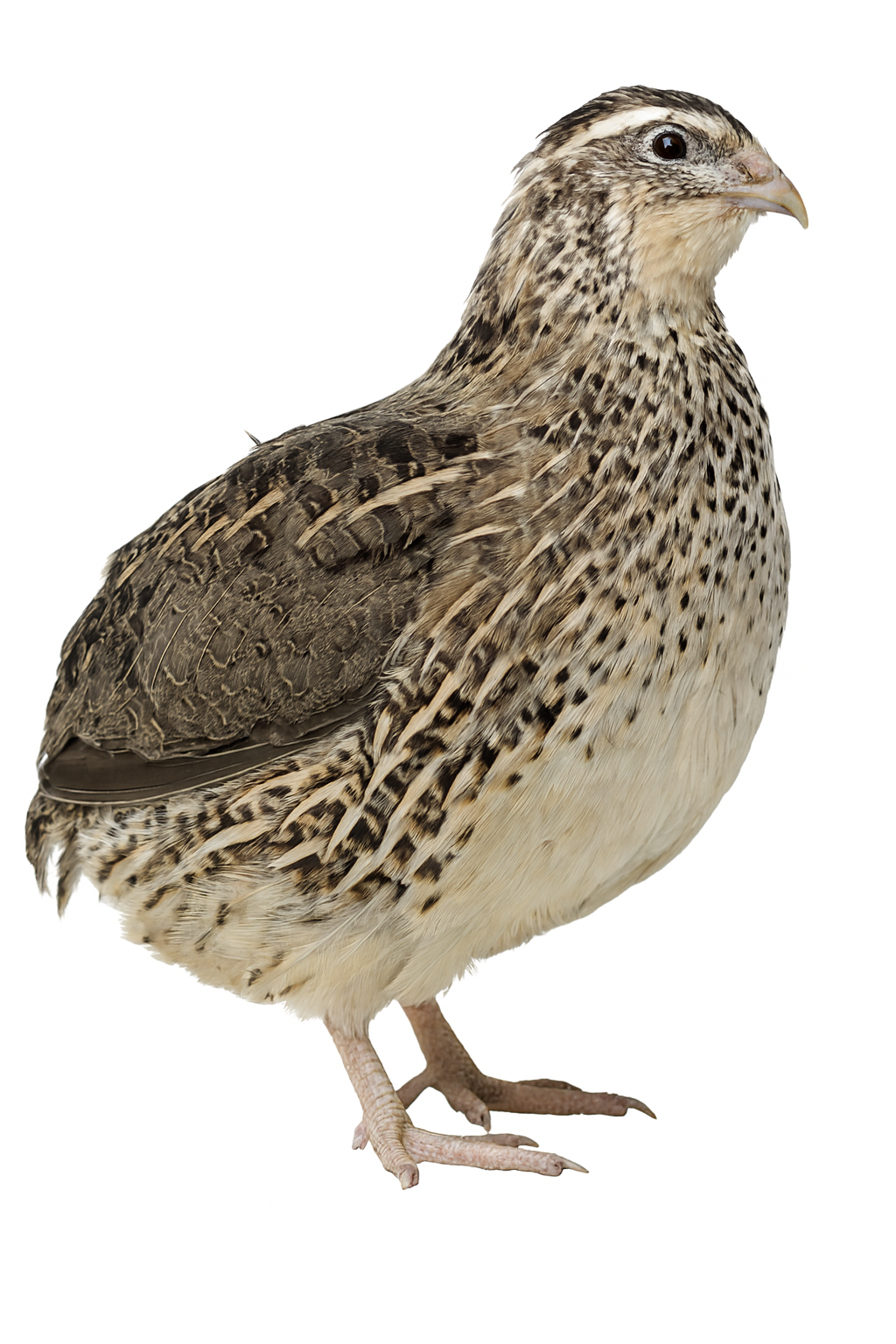
hen
Quick Look
Jumbo Coturnix selected for both meat and egg production
Feather-sexable beginning around 17–18 days of age
Adult birds commonly exceed 13 ounces under proper management
Calm, docile temperament
Large egg size with excellent production
Eggs collected from multiple breeder pens for greater genetic diversity
Professionally packaged using EggFoam™ shipping materials
NPIP Certified Flock
Get our free Guide to Incubating Coturnix Quail
The Classic Coturnix Every Quail Keeper Should Own
If you're looking for a productive, dependable Coturnix quail, the Jumbo Pharaoh is where most experienced breeders begin.
Often called Jumbo Brown, Wild Type, or Sex-Linked Brown (SLB), these birds represent the traditional Coturnix color pattern while offering the larger body size and productivity developed through years of selective breeding. Whether your goal is fresh eggs, meat production, or building your own breeding program, Jumbo Pharaoh quail remain one of the most versatile varieties available.
Why Bryant's Roost Pharaoh Quail?
Our breeding program focuses on much more than color.
Each generation is selected for:
Large adult body size
Excellent fertility
Strong hatchability
Calm temperament
Easy feather sexing
Large egg production
Correct feather markings
Rather than collecting from a single breeding cage, your order is gathered from multiple breeder groups whenever possible. This helps maintain greater genetic diversity while preserving the traits our flock has been selected for over many years.
Easy Feather Sexing
One of the biggest advantages of Pharaoh Coturnix is that males and females can usually be identified by feather color beginning around 17–18 days of age.
Females develop a speckled breast.
Males develop a rust-colored breast with a white chin strap.
No vent sexing required.
Fast Growing and Productive
Under proper nutrition and management, Jumbo Pharaoh Coturnix typically:
Mature quickly
Begin laying around 6–8 weeks of age
Produce large, speckled eggs
Reach full body condition by approximately 8–10 weeks
Although hens often begin laying around 7 weeks, we recommend keeping young birds on a quality starter or grower feed until approximately 10 weeks of age before transitioning to a layer ration. Supporting skeletal growth before heavy egg production helps maximize long-term health and productivity.
Professionally Packed for Shipping
Every order is packed using professional EggFoam™ shipping materials designed specifically for hatching eggs.
While no breeder can guarantee hatch rates after eggs leave the farm, careful packing greatly reduces shipping damage compared to traditional packaging methods.
Freshness, packaging, incubation practices, shipping conditions, and incubator accuracy all influence hatch success.
Included With Your Order
Every customer receives:
Free Guide to Incubating Coturnix Quail
Access to incubation resources
Discount information for our Incubating Masterclass
Support from Bryant's Roost after your eggs arrive